Let's Make America Happy Again
July 2, 2026
Why Politics Matters for Our Happiness
My brother recently came across a 1960s-era archived newspaper clipping featuring a photograph of our grandmother. To my brother and me, Gloria Simpson—or “Grandma,” as we called her—was simply the loving, affectionate woman who always cooked more food than we could eat and let us sneak in coffee sips at breakfast against our mom’s wishes. “This is our little secret,” she would say as she winked with a playful grin. Unbeknownst to us, it was decaf Sanka, likely more cream and sugar than coffee. But she made us feel grown-up and important when in fact, we had no idea just how extraordinary and special she really was.
Later, I learned from her surviving sisters that my grandmother was deeply involved in advocating for democracy and Black political engagement at a time when doing so required immense courage. I remember her telling me stories about the Klan burning a cross in her front yard when she was a young woman, and about her sister, my Aunt Ruby, who once came home terrified as a teenager because she had refused to move to the back of the bus when ordered by a white bus driver.
As an adult and with the benefit of perspective and research, I came to understand why our family might have drawn the suspicion, jealousy and rage of some Whites in Atlanta, and specifically the Klan. My grandmother’s father, John Fred Gholston, was college educated at Morris Brown College, a Deacon in his church and an owner of numerous properties in Atlanta. John’s father, George Washington Gholston, was born enslaved but became a prosperous Georgia businessman and dairy farmer, a founding pastor of a church that still stands today and a Trustee of Morris Brown. George and his family were visible examples of progress and quiet resistance. I also found the names, listed in Freedman’s Bureau records, of the first men in my family to vote during the post-Civil War Reconstruction Era in 1867.
Given this legacy, it is no surprise that my grandmother felt compelled to advocate for advancement in her own way: serving as an election poll manager in Fulton County, Atlanta. She did this for most of her adult life.
A few months ago, nearly twenty years after my grandmother passed, headlines flared when the Fulton County Election Facility became a flashpoint of tension after a FBI raid and seizure of voting records—a reminder of the very voter suppression and intimidation she had spent her life resisting.
When an Atlanta Journal-Constitution photographer captured Dr. King and fellow Civil Rights icon Julian Bond casting their votes in Fulton County during the 60s, they inadvertently also captured an image of my grandmother volunteering right behind them, standing in solidarity with Dr. King and a community of freedom fighters that brought her profound pride and joy.
Carrying the legacy of my courageous ancestors who first registered to vote in 1867, and of a grandmother who volunteered in every election, I find myself following in their footsteps. In 2026, I joined some of America’s top business executives and most respected political figures—including mayors, governors, and representatives—at the Leadership Now Summit in New York. Some are even presidential hopefuls. I engaged with leaders like Governors Josh Shapiro and Andy Beshear, Senator Elissa Slotkin, and TIAA President and CEO Thasunda Duckett. We convened not just to analyze today’s political friction, but to build a shared blueprint for a more hopeful, stable future. I left the summit feeling a profound sense of hope—perhaps the same hope that sustained my ancestors during dark and dreary times.
Her quiet resistance in the 1960s paved a path for the collective, cross-sector work I now find myself doing at the front lines of democracy.
For years, I have been working and advocating for an inclusive and fair democracy as a founding member and board director of the Leadership Now Project. But more recently, on the heels of years of research and a book published about purpose and fulfillment, I found myself wondering about something more profound: What does political leadership look like for this nation’s next chapter and is it possible for it to make America happier again?
This question is particularly timely for America as it approaches its 250th anniversary in light of three pressing concerns: 1) the nation's declining happiness rankings in the World Happiness Report, 2) a hyper-partisan political environment that fuels widespread anxiety, distrust, and unhappiness and 3) an upcoming election cycle where we will have an opportunity to assess, engage and rally around leaders capable of seizing this moment and offering solutions that could elevate us all.
Can We Find Joy In Political Chaos?
This wasn’t the first time I explored the role of national political leadership and policy in individual wellbeing. Earlier this year, I visited Finland, the “happiest country in the world” in my quest to better understand the science of well-being at scale. Despite a history defined by centuries of foreign occupation, Finland possesses the collective resolve to maintain its independence while providing a robust social safety net that ensures food, housing, and education for all. Clearly, a nation plays a pivotal role in its constituents' ability to thrive. However, the state's responsibility extends beyond basic survival needs; it must foster an environment where true fulfillment can be attained.
When operating effectively, our political system and its leaders can act as a powerful engine to deliver what I call the fulfillment trifecta: purpose, belonging, and growth. Inspired by Viktor Frankl’s foundational work on individual meaning, my framework seeks to scale personal fulfillment into broader community and national dimensions. Perhaps it can help make America happy again.
Throughout our history, America has continuously strived for greater innovation, competitiveness, employment, and better living standards. From the Declaration of Independence to the Emancipation Proclamation, we have been on a challenging but progressive journey to perfect our union. While we remain far from the goal, we press onward—not just to be a more productive or prosperous nation, but to be a happier one.
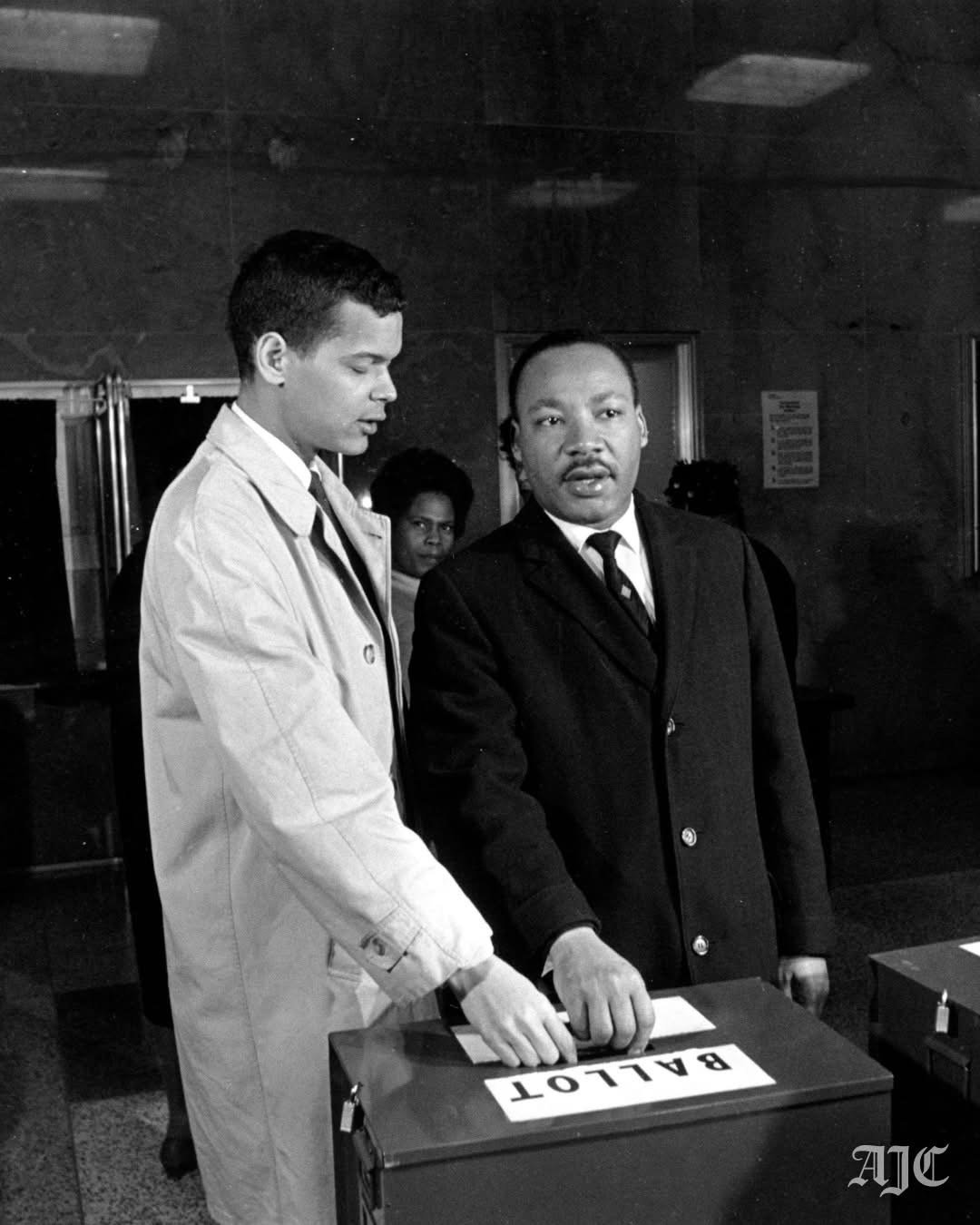
My grandmother, photographed with Dr. Martin Luther King Jr. and Julian Bond, volunteered in every election as a poll manager.
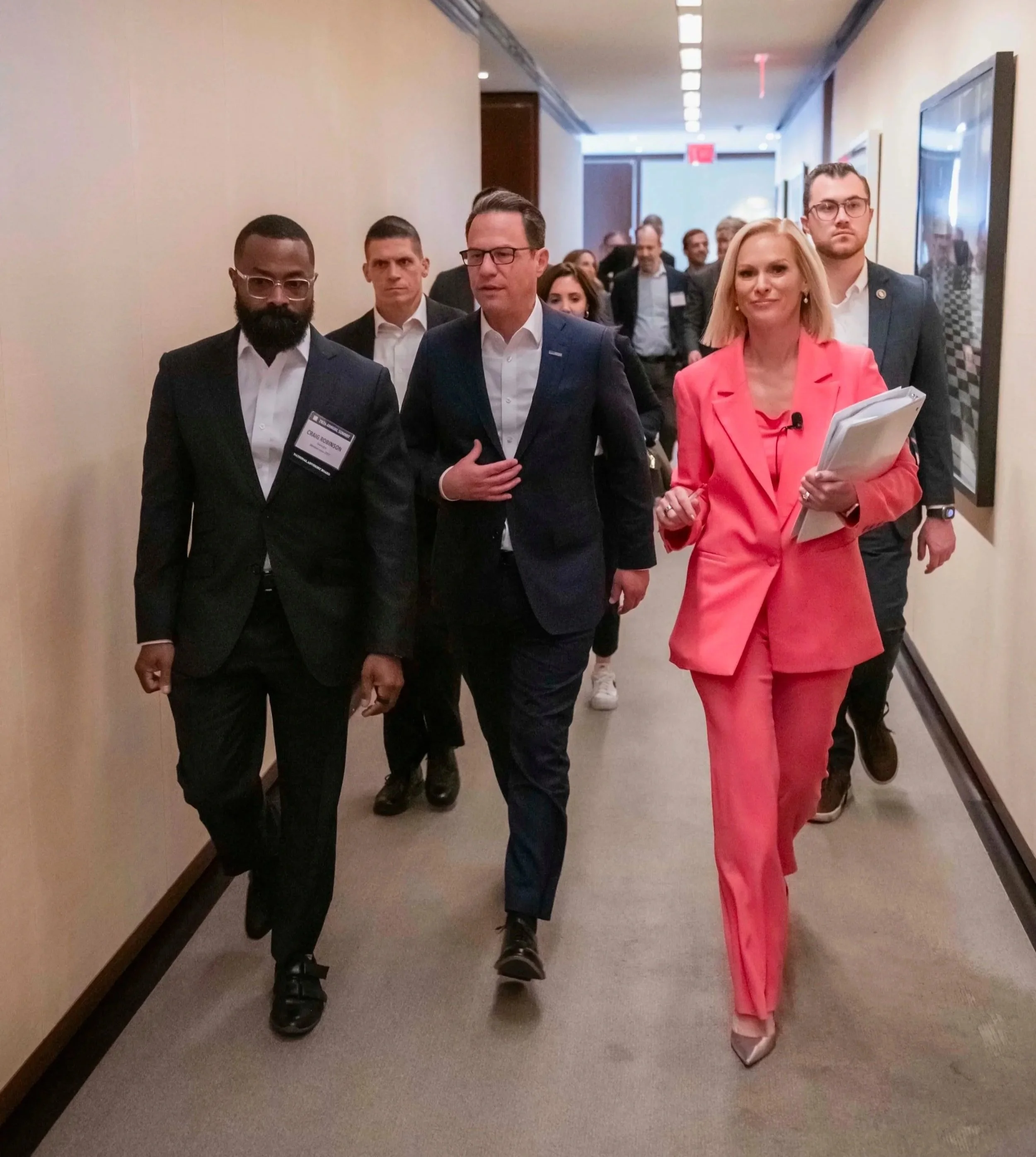
Me with Gov. Josh Shapiro (PA) and Margaret Hoover at the Leadership Now Summit
Cont’d
In each chapter and example of American resolve, the following components of the trifecta were present.
Purpose
At a national scale, purpose is expressed through our core values and collective meaning. It shapes our resolve, dictates what we are committed to achieving, and establishes what we will absolutely not tolerate. Our democracy is the vehicle through which we articulate and champion these defining ideals.
Belonging
Belonging anchors national identity in community. While it takes root locally—in neighborhoods, schools, and civic spaces—it extends across cities and states to unite the country. That unmistakable collective feeling of standing together in a crowded stadium to sing the national anthem exemplifies belonging at scale.
Growth
Growth is the shared capacity to tackle immense challenges and achieve extraordinary breakthroughs. When purpose and belonging align, a nation can do the impossible: expand healthcare access, land humans on the moon, develop life-saving technologies in months, or rise above tribalism to embrace equity—just as America did during the defining moments of the Civil Rights movement.
Outstanding examples include President Roosevelt’s New Deal and the landmark legislation of the Civil Rights movement. During the Civil Rights movement, for example, my grandmother, who did not have much, found great purpose, belonging and growth in serving as an election poll manager. I believe, as a result, she found joy and fulfillment.
Looking Ahead
Just as the leaders I met at the summit are demonstrating today, our trajectory is defined not merely by the policies we adopt, but by the spirit in which we lead. By prioritizing purpose, belonging, and growth, the next generation of leaders has a profound opportunity to heal our divisions and restore national well-being. Ultimately, they possess the power to offer every citizen what my grandmother experienced at that Fulton County polling place: the chance to contribute to something hard, worthwhile, and far bigger than themselves. That is the true path to fulfillment, and the key to making America happy again—not just for my grandmother, but for all of us.
Happy Independence Day!
-Craig
“While we remain far from the goal, we press onward—not just to be a more productive or prosperous nation, but to be a happier one.”

Me with Gov. Andy Beshear (KY) at the Leadership Now Summit
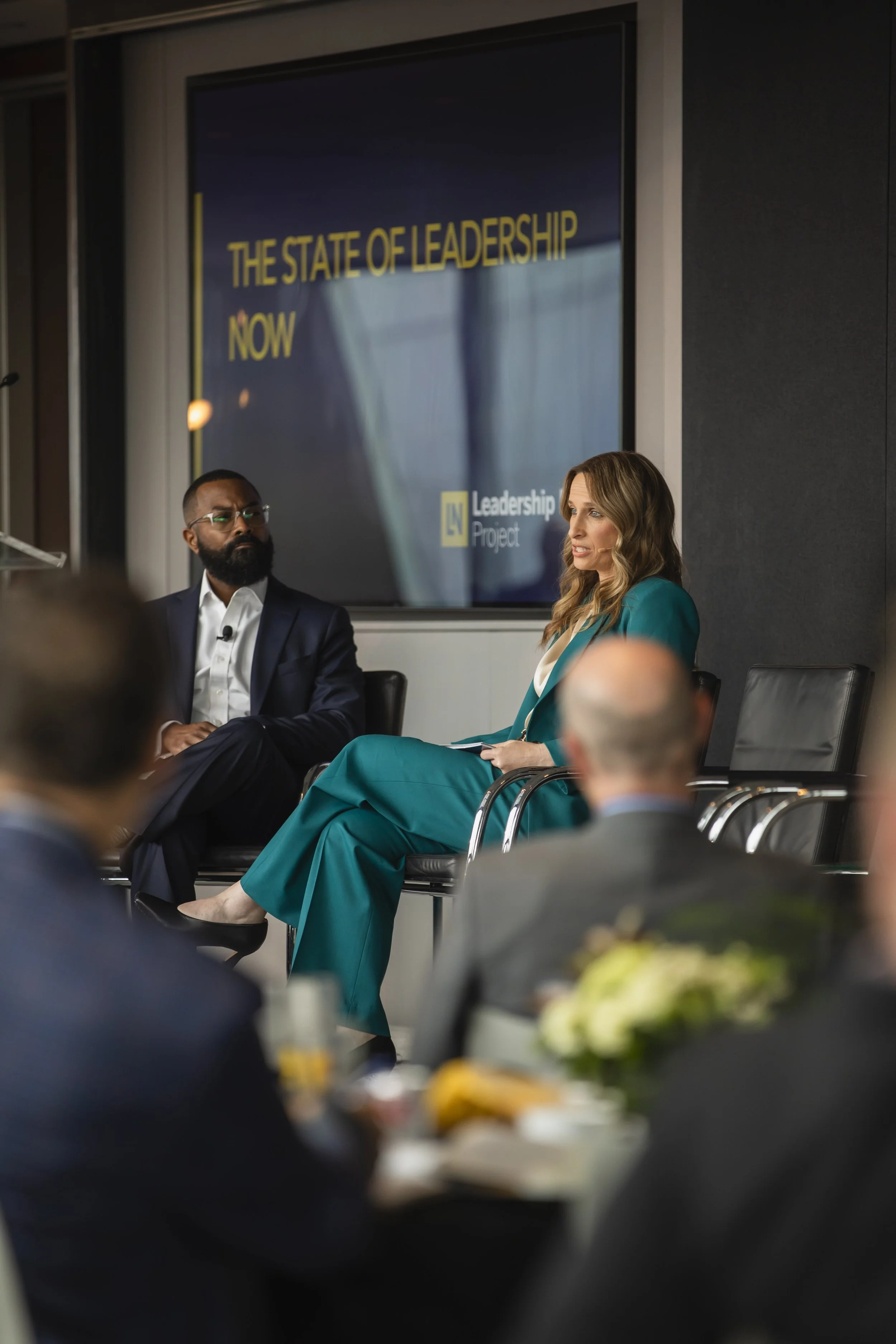
Click to listen to Leadership Now Founder and CEO, Daniella Ballou-Aares, describe the vision behind the Business Plan for America.
Why Scuba Diving Brings Me Joy (PodcasT)
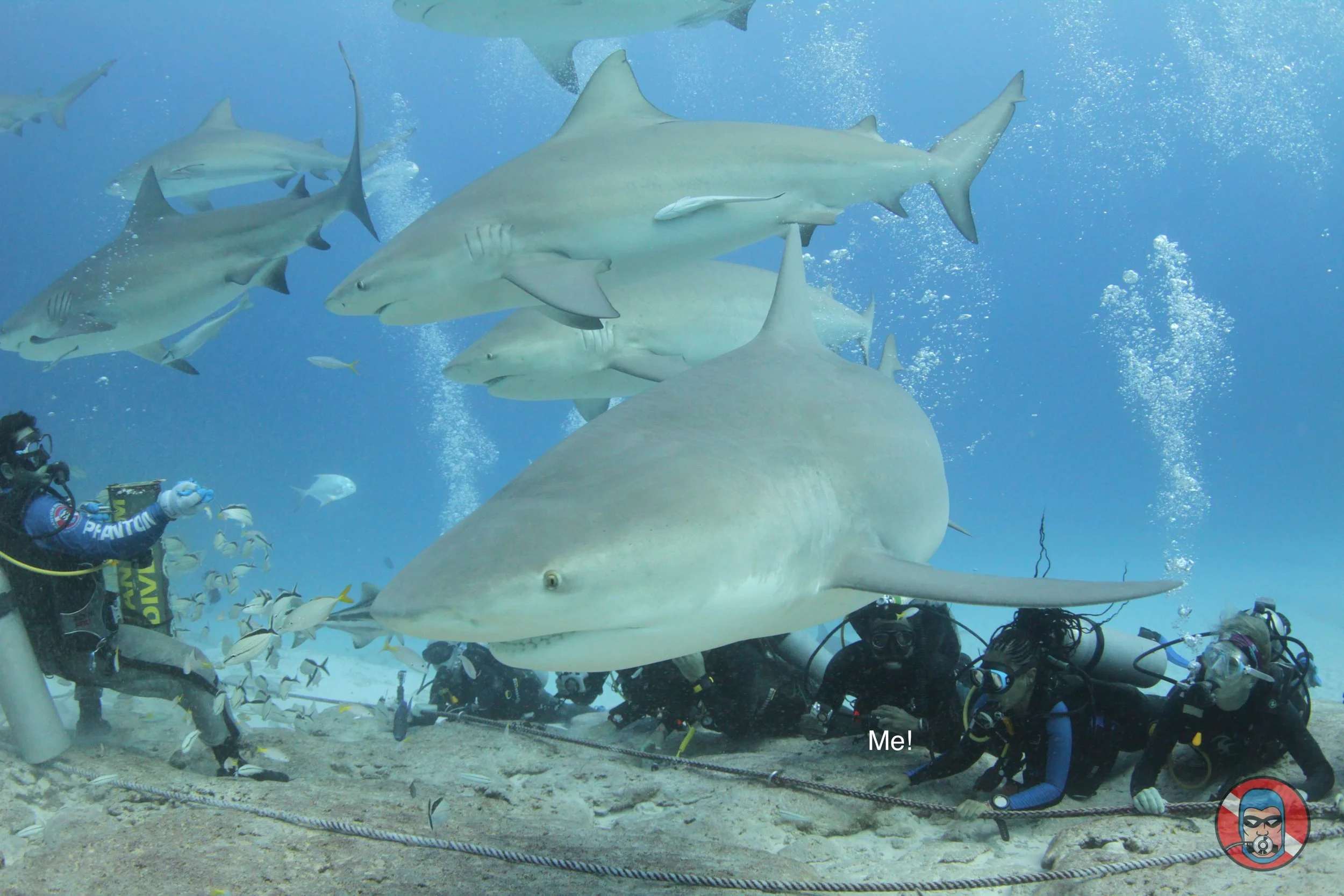
Diving with bull sharks in Mexico
April 28, 2026
Believe it or not, this brings me joy!
Yes, diving with big sharks and other ocean life is one of my favorite sources of happiness. I devote an entire chapter in my book to how scuba diving grounds me, inspires me, and connects me to a community of scuba divers, marine life photographers, and ocean enthusiasts. It’s also when my inner child steps forward with a type of magical awe that I rarely experience in my day-to-day professional life.
Each time I back-roll into the deep blue, I am excited to explore its vastness—a beautiful expanse that covers most of Planet Earth. People have described this type of experience as being in “flow.” I have yet to achieve flow in other activities, like running, yoga, or meditation. But diving does it every time. My overactive brain immediately calms and centers itself. I am present without regard for whatever worries and stressors I might have left on the surface or could be waiting for me when I return. I feel spiritually connected to the universe. It’s both humbling and empowering.
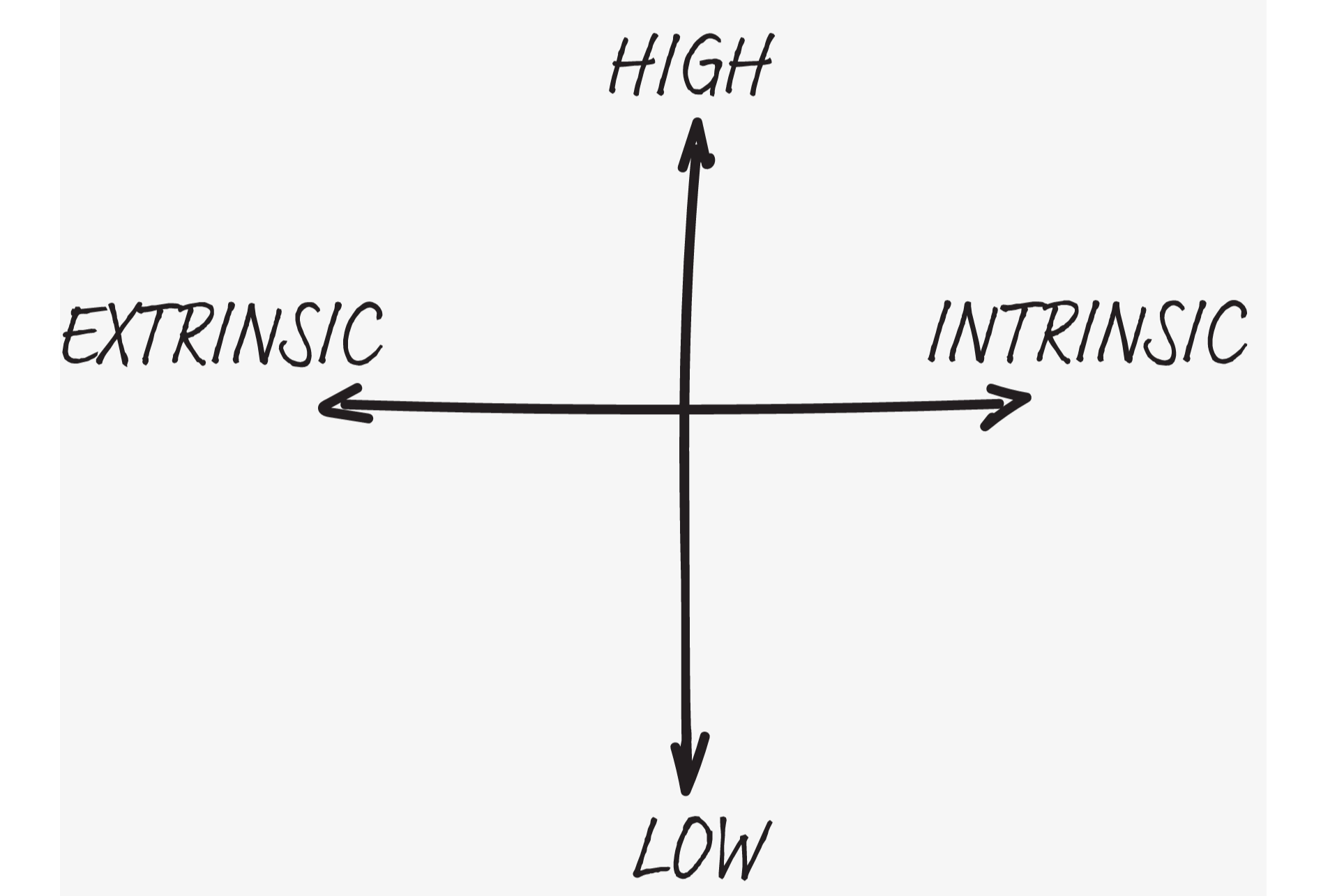
In my book, I refer to this source of happiness as an “upper left” quadrant type, meaning it’s both high in fidelity and comes from an extrinsic source. See the illustration and description below for more context.
A Conversation on Meaning and Belonging
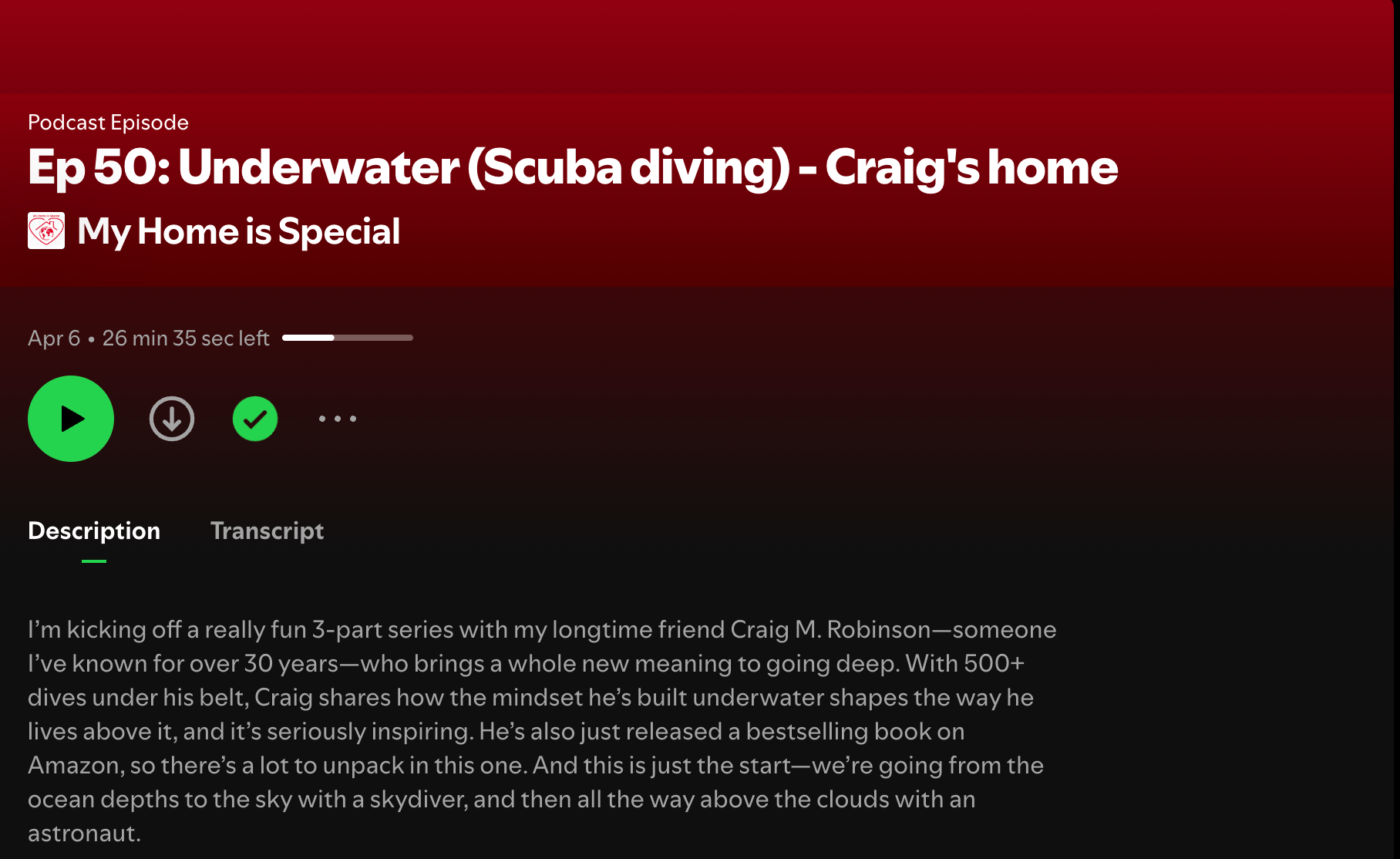
I recently sat down with Keith Bevans on his podcast to discuss the power of scuba diving and its powerful linkages to my happiness. I have known Keith for decades, from our days as undergrads at MIT, later as grad students at Harvard, and now in a season where we get to witness each other lean into our “upper left” and “upper right” quadrant sources of joy.
Keith, an accomplished Partner at Bain & Co, is passionate about photography, traveling to exotic places, and his podcast, My Home Is Special.
Listen to this podcast episode as two old friends share stories and compare notes on how we are finding new places and opportunities for belonging and meaning.
Our Happiness Quadrants
Why Scuba Diving Is My Upper Left
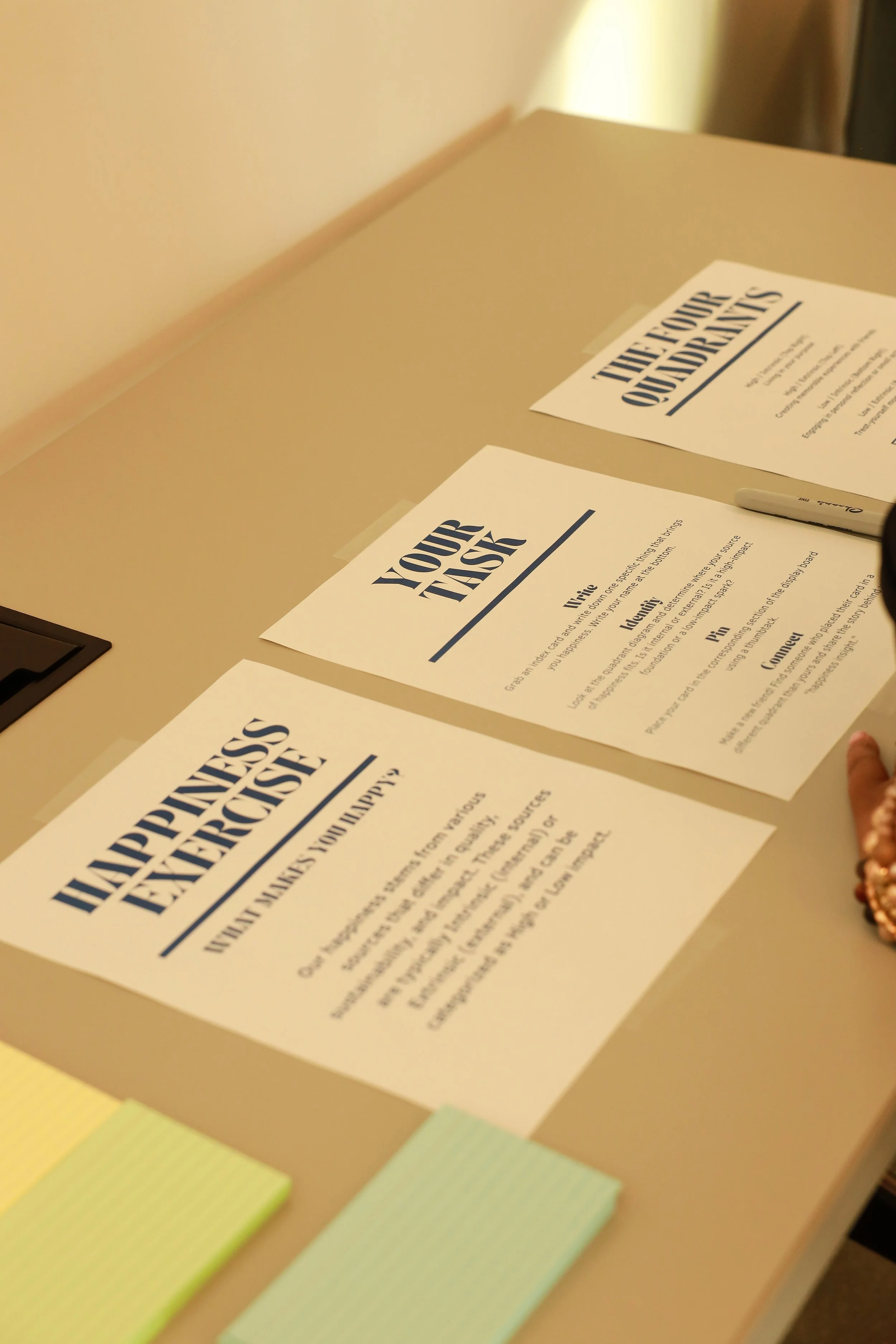
I developed a simple 2x2 to help us understand our sources of happiness and to be intentional about pursuing them. Our sources of happiness can come from sources that are “high” or “low” in quality, sustainability and impact. They can also come from “intrinsic” (internal) sources or “extrinsic” (external) sources. A quick example:
1) intrinsic/ high (living in your purpose),
2) extrinsic/ high (having memorable experiences with friends),
3) low/ intrinsic (making a charitable donation) and
4) low/extrinsic (going shopping).
Try it! What’s in your quadrants?
thank you, atlanta!
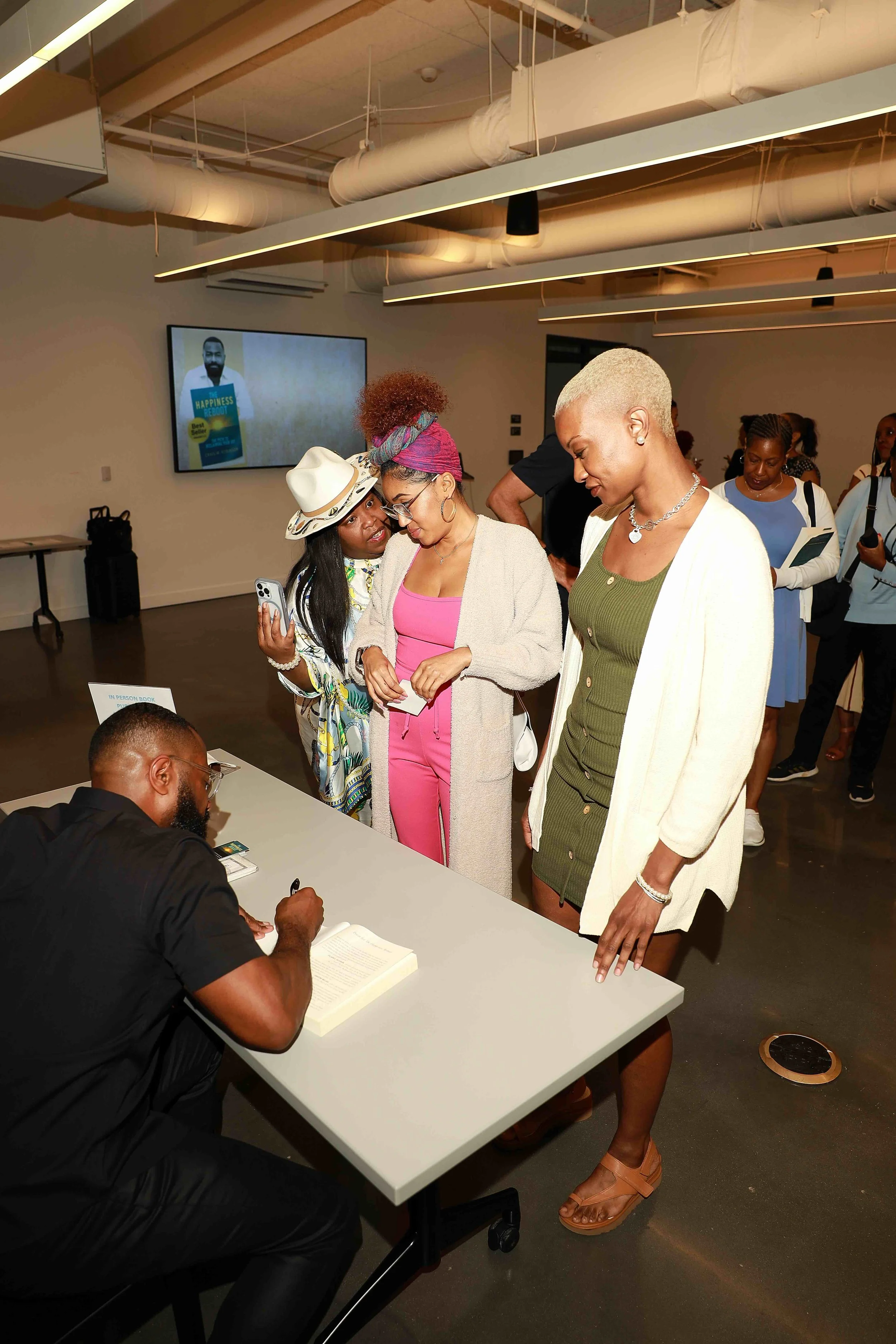
Book talk and signing
April 23, 2026
my heart is full
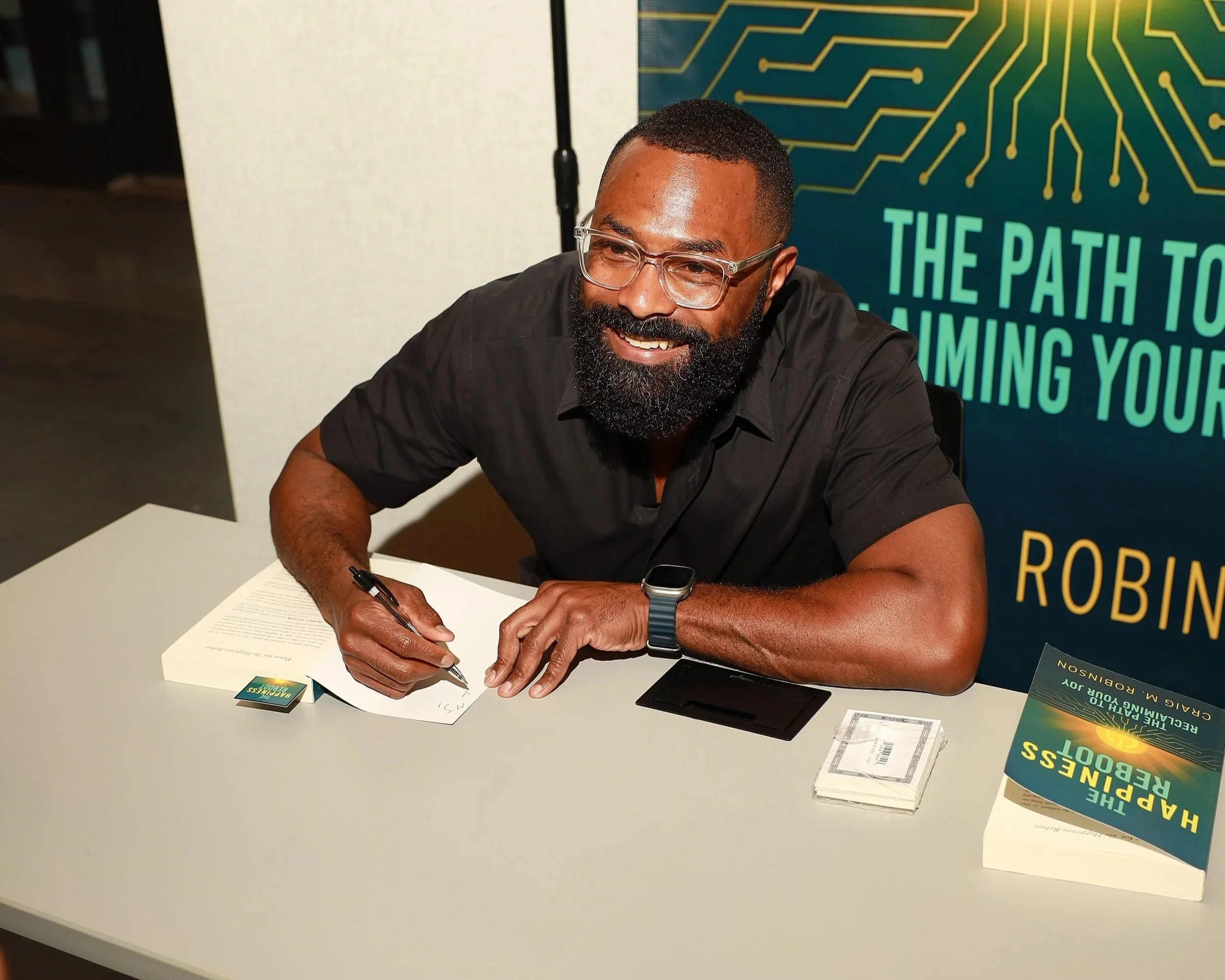
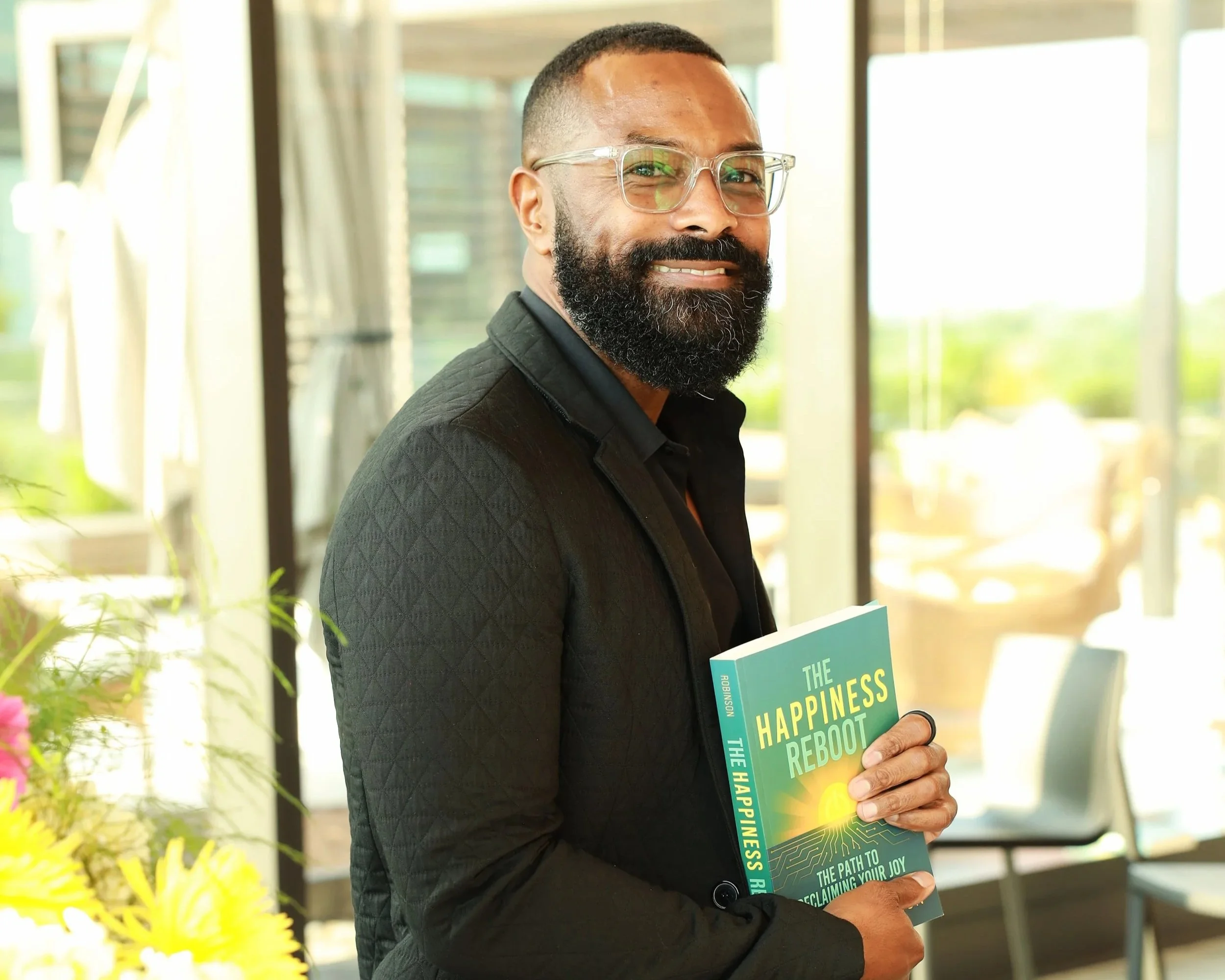
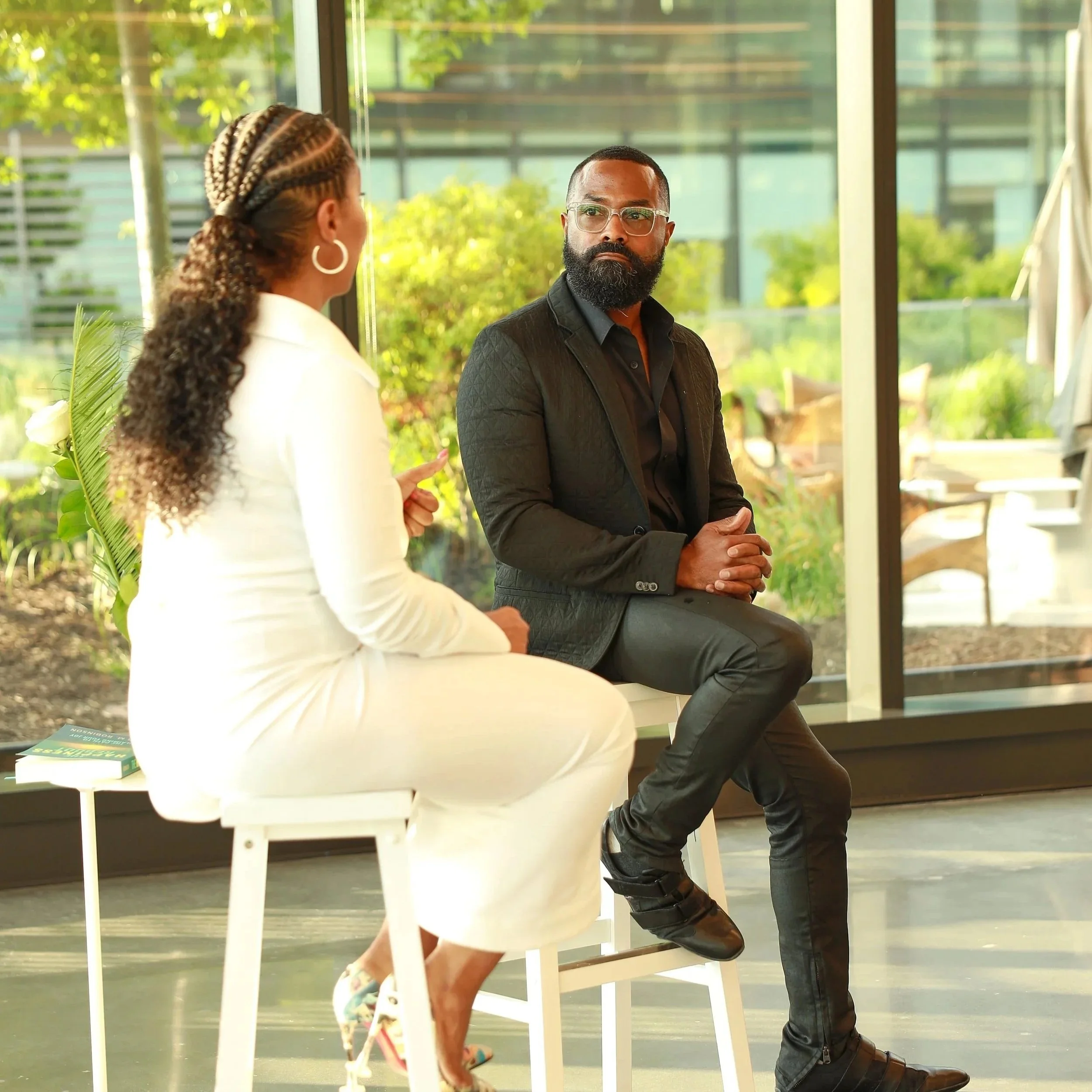
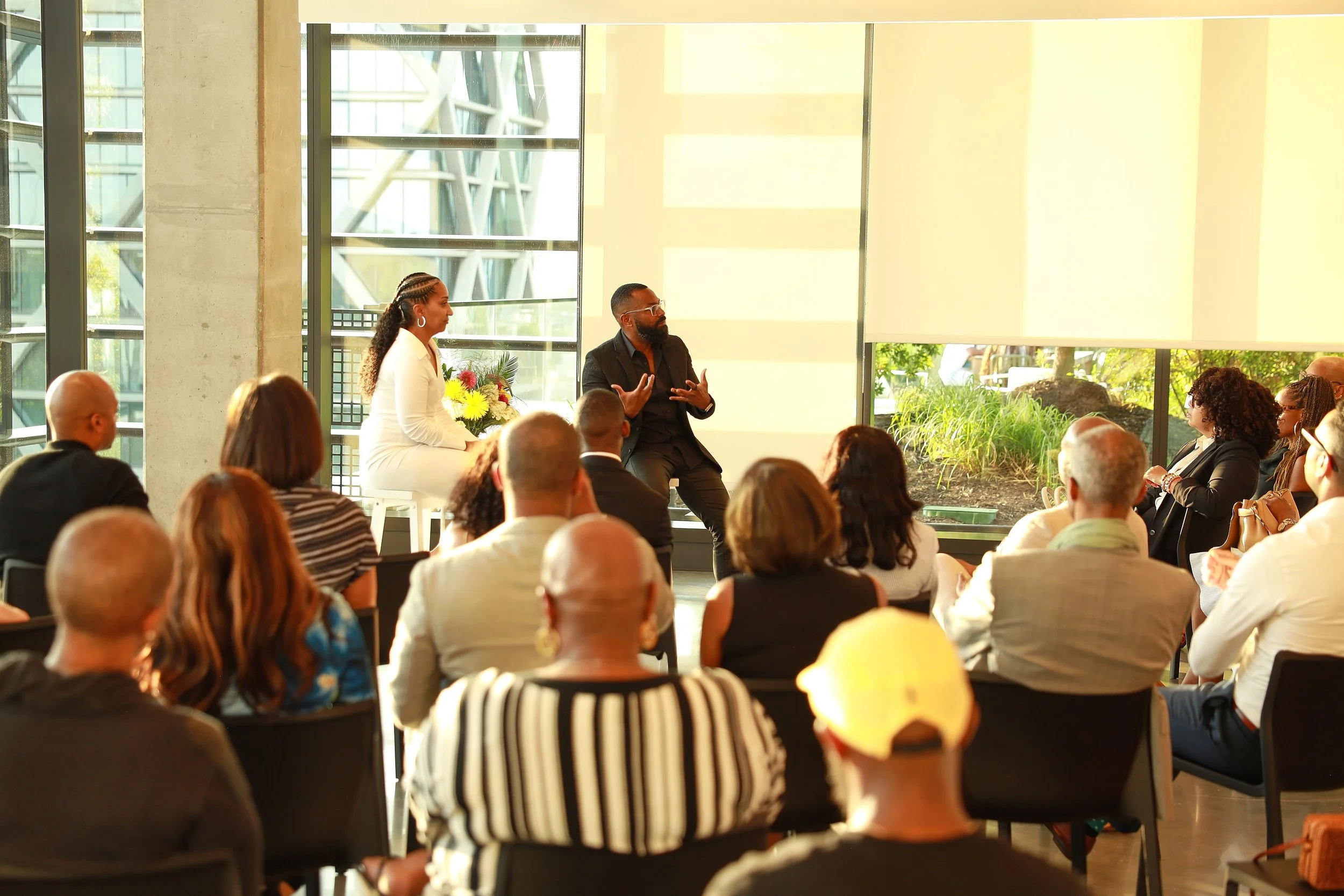
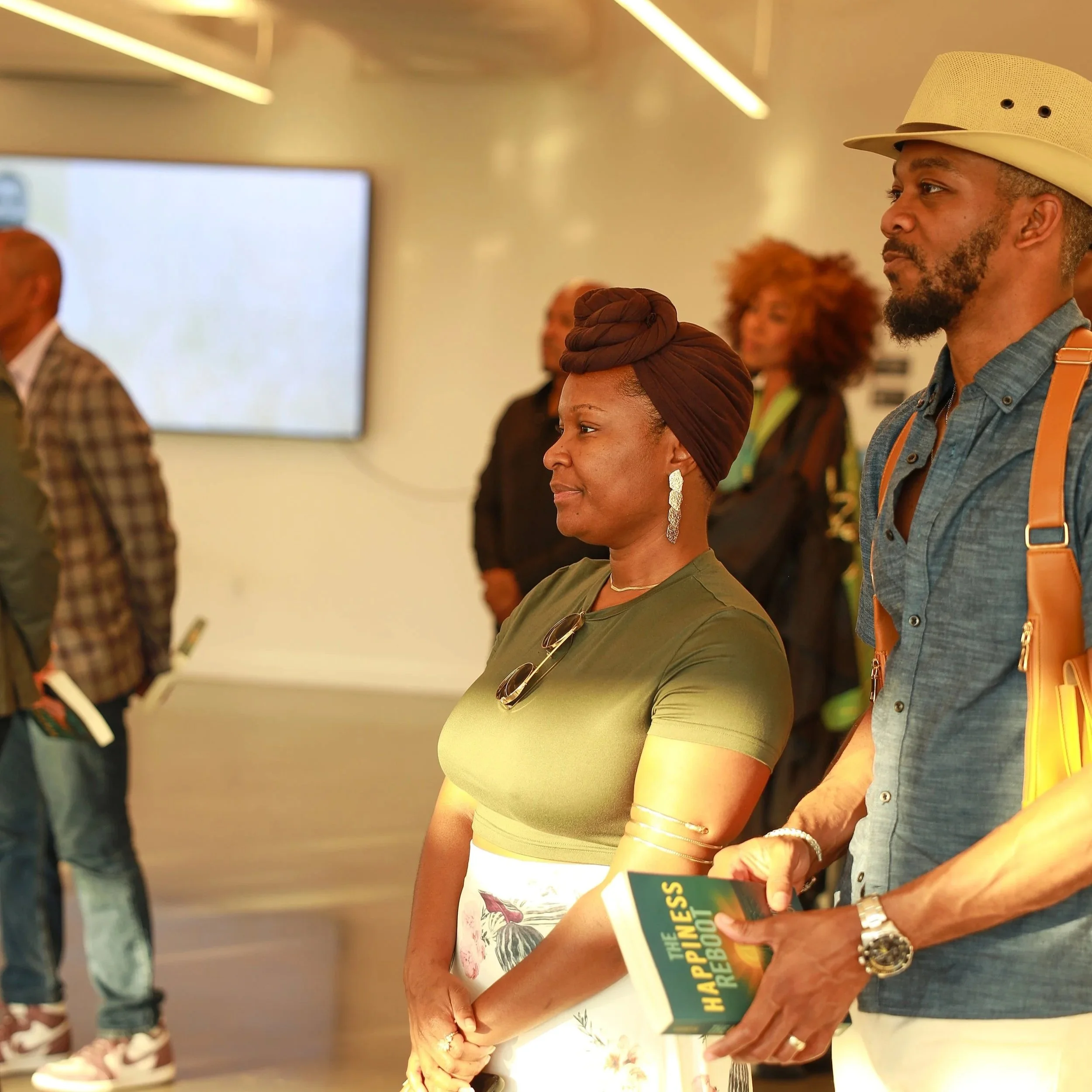
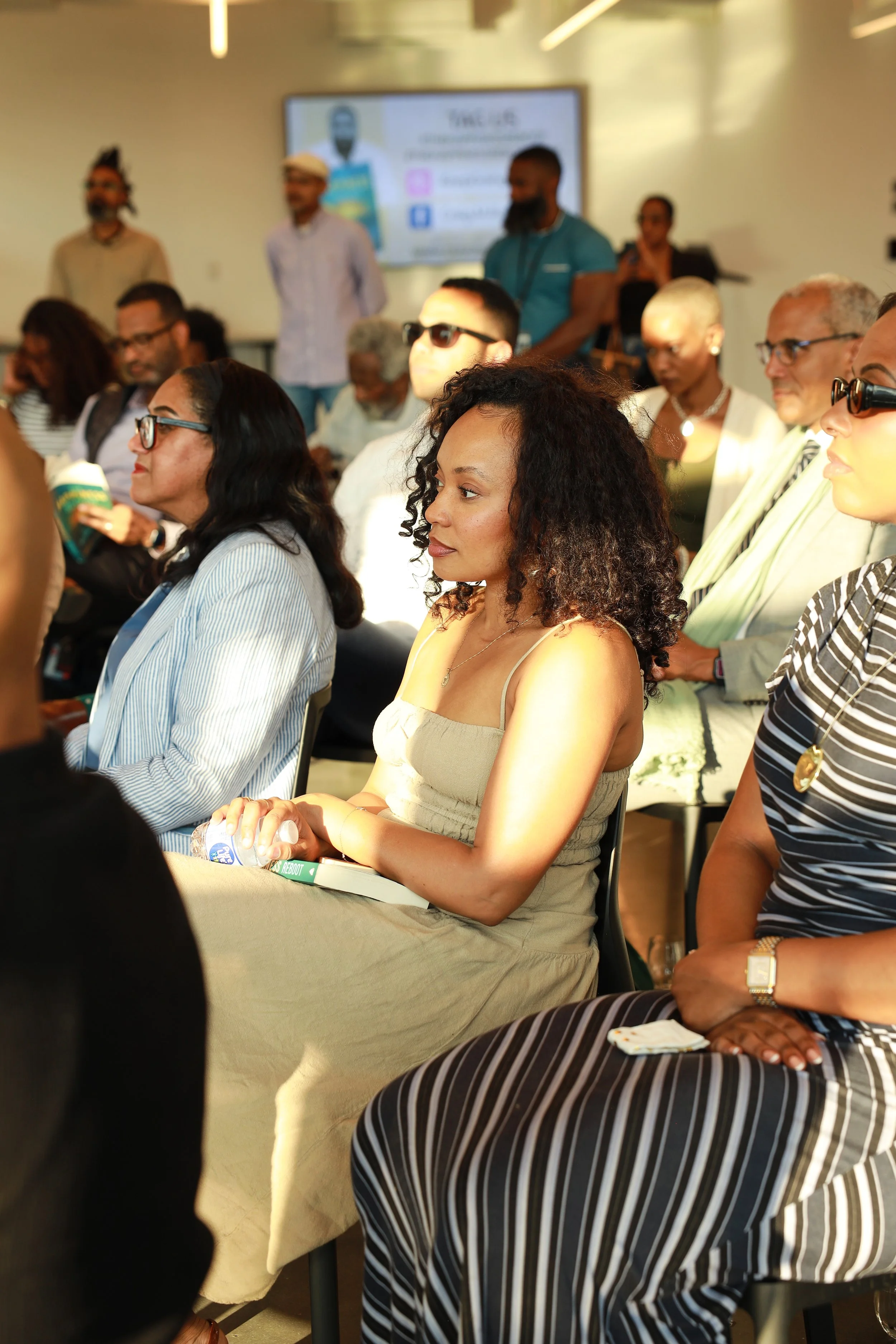
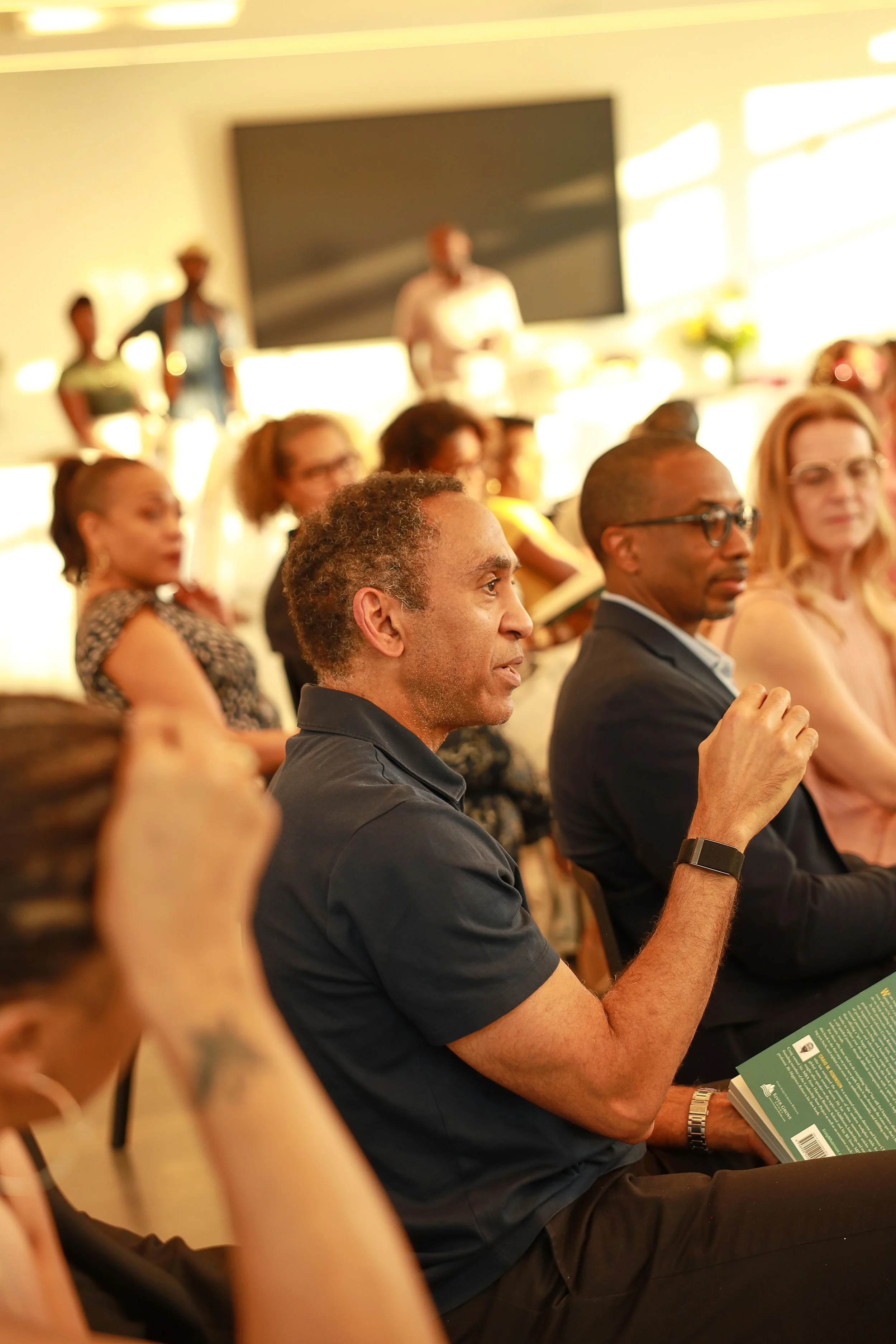
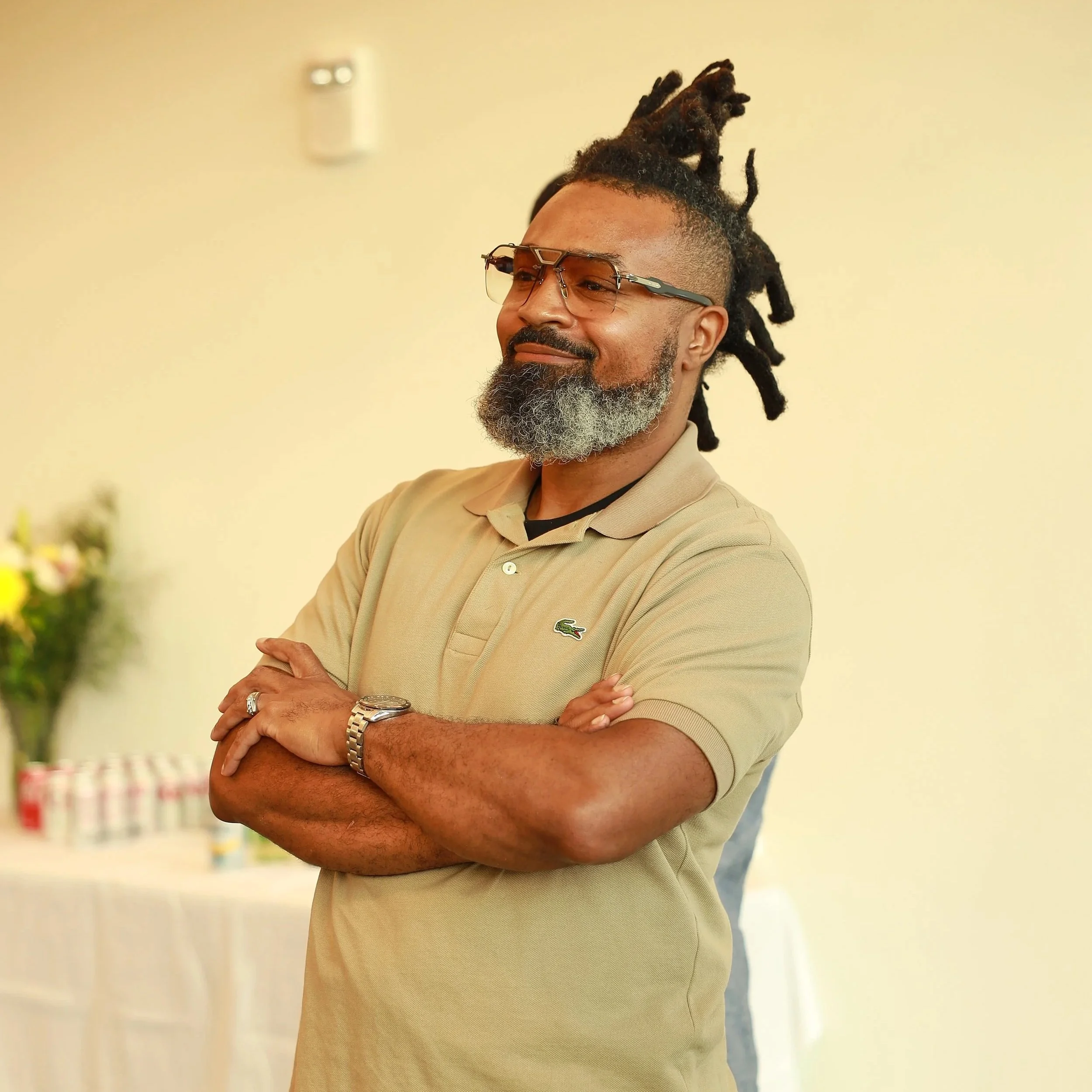
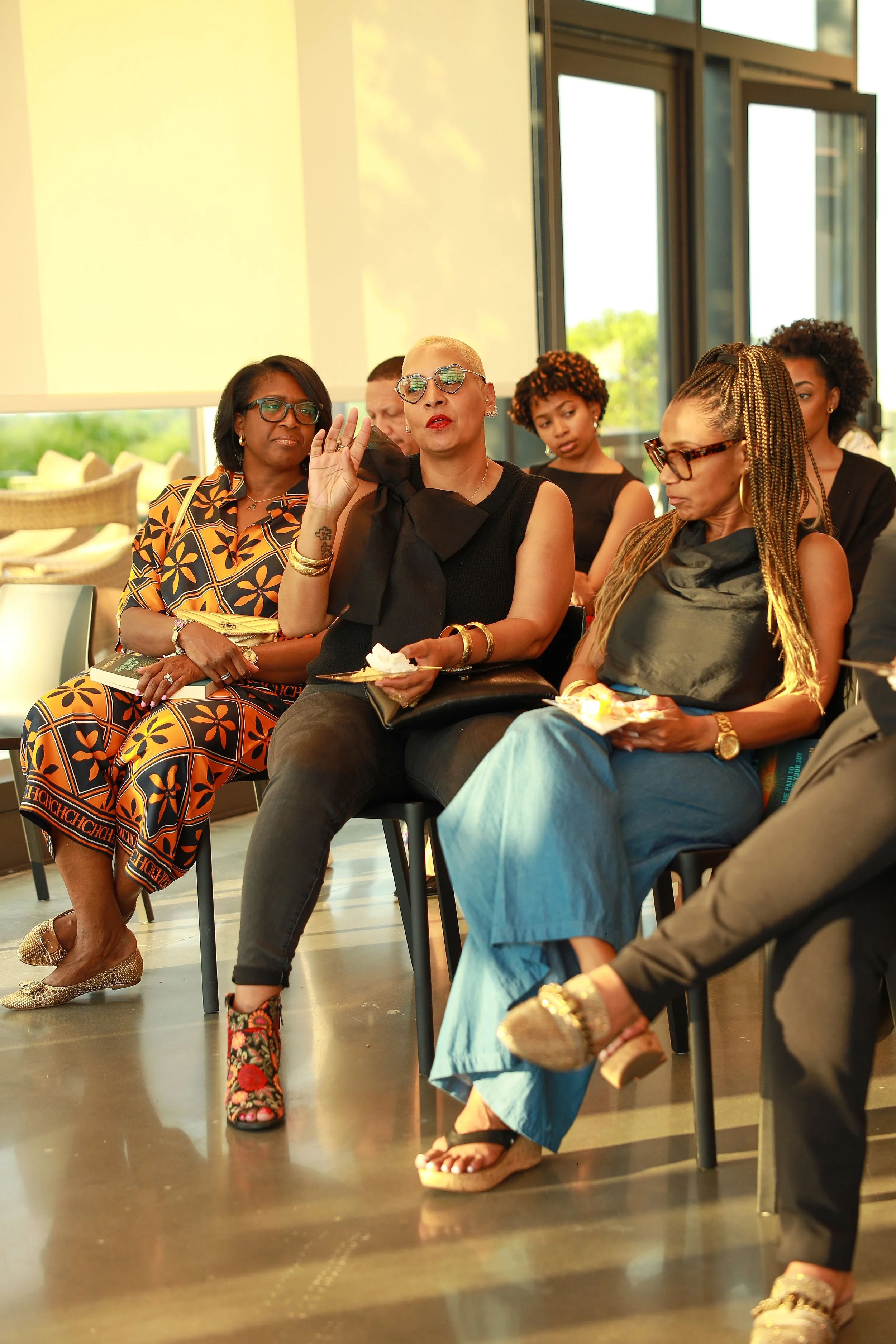
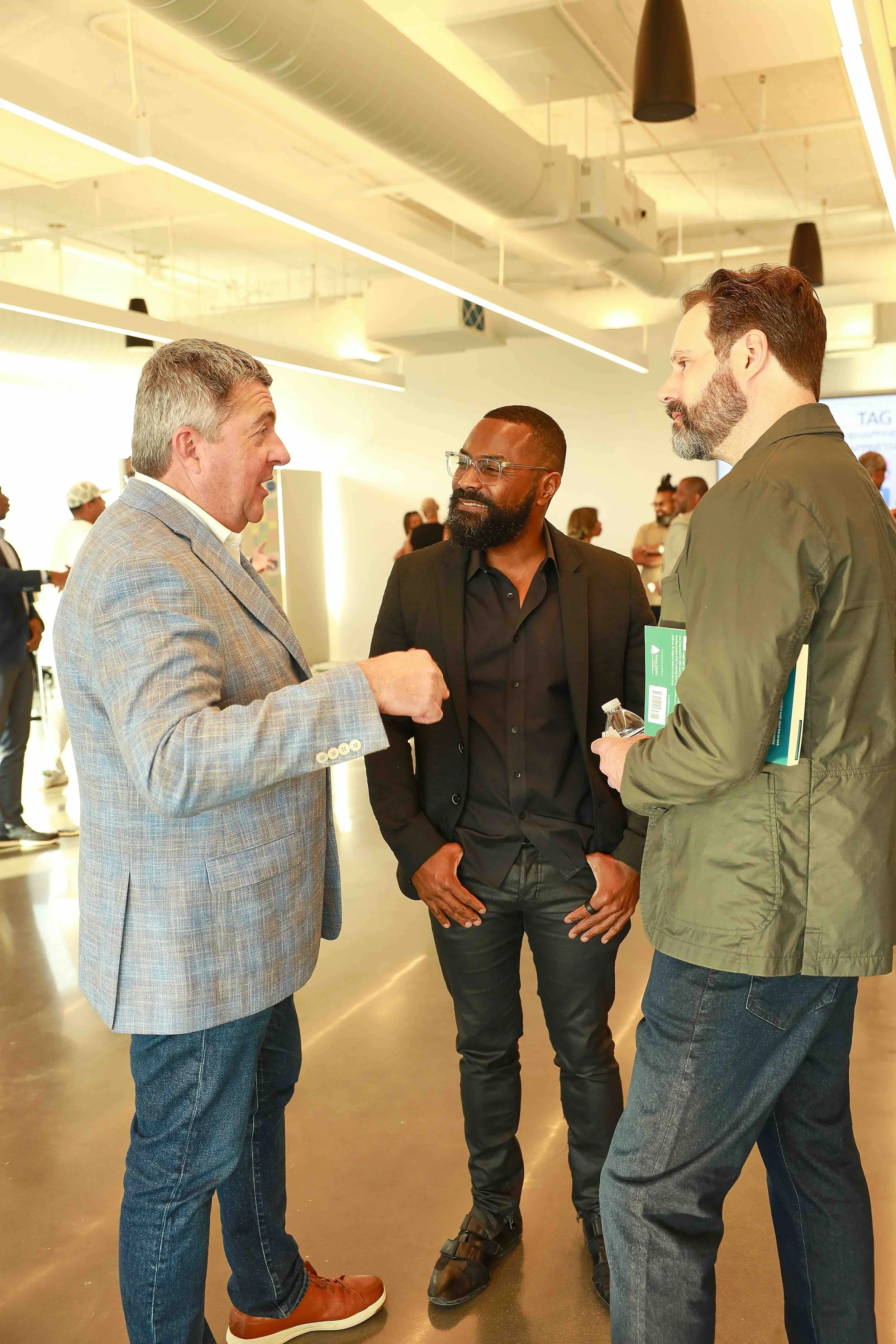
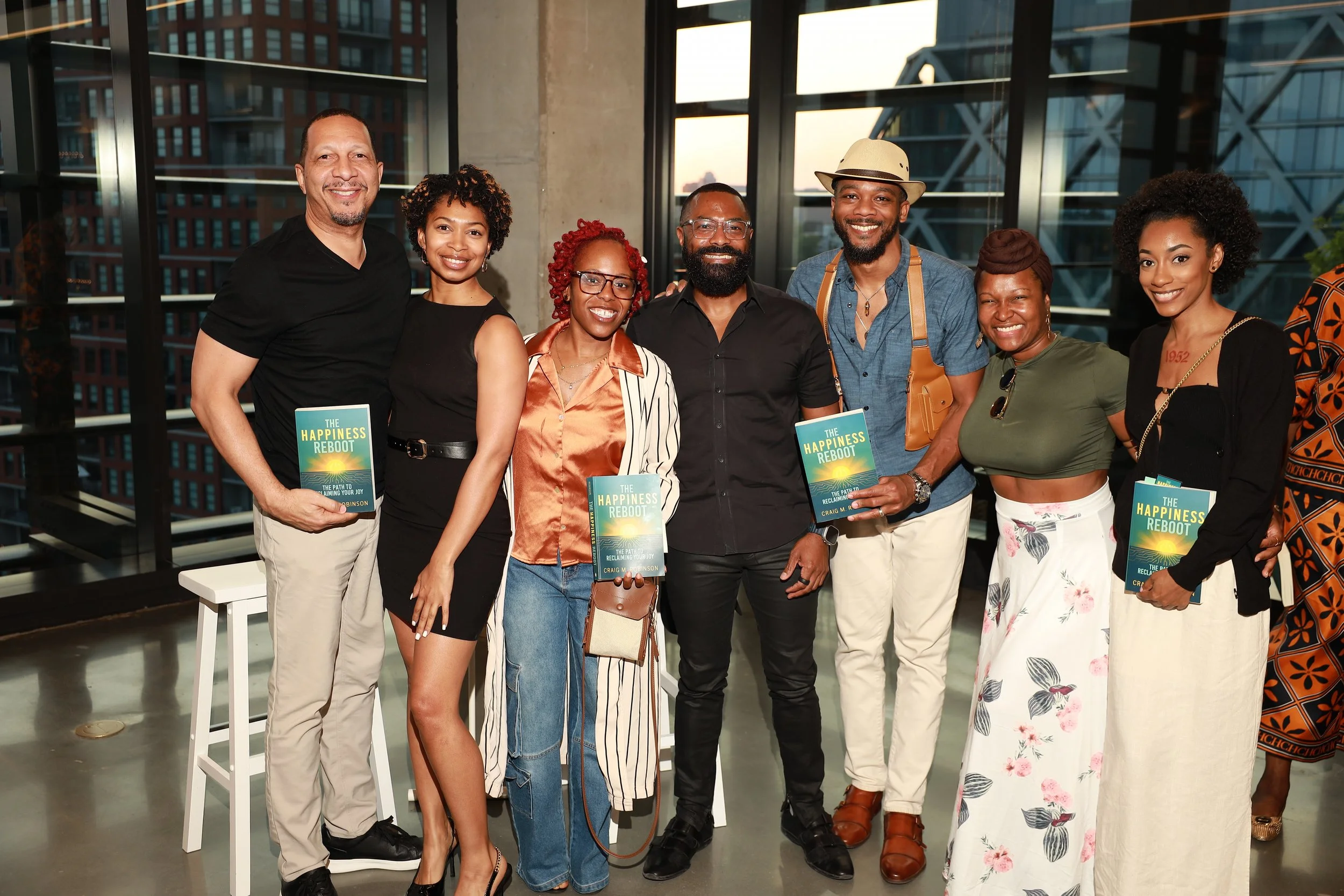
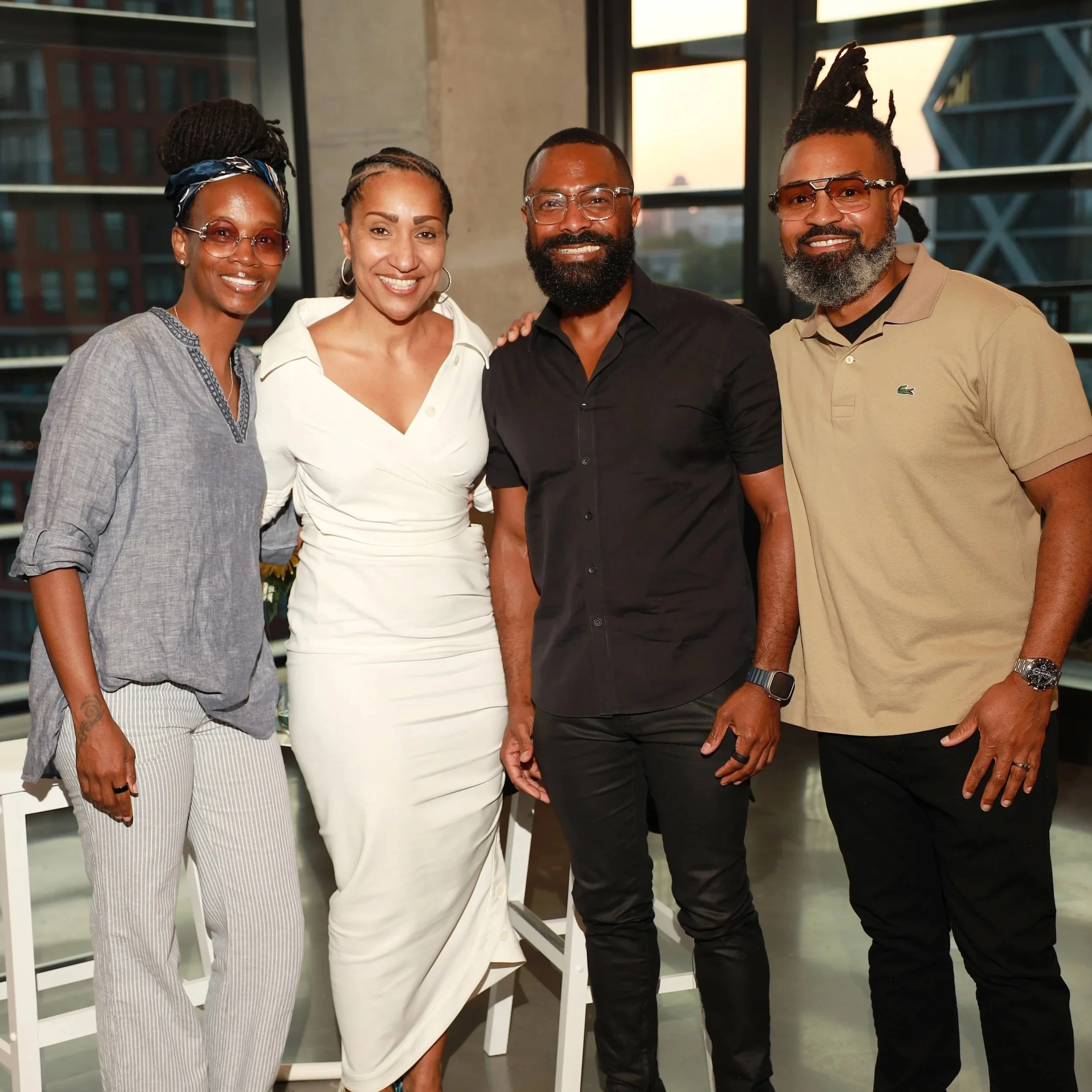
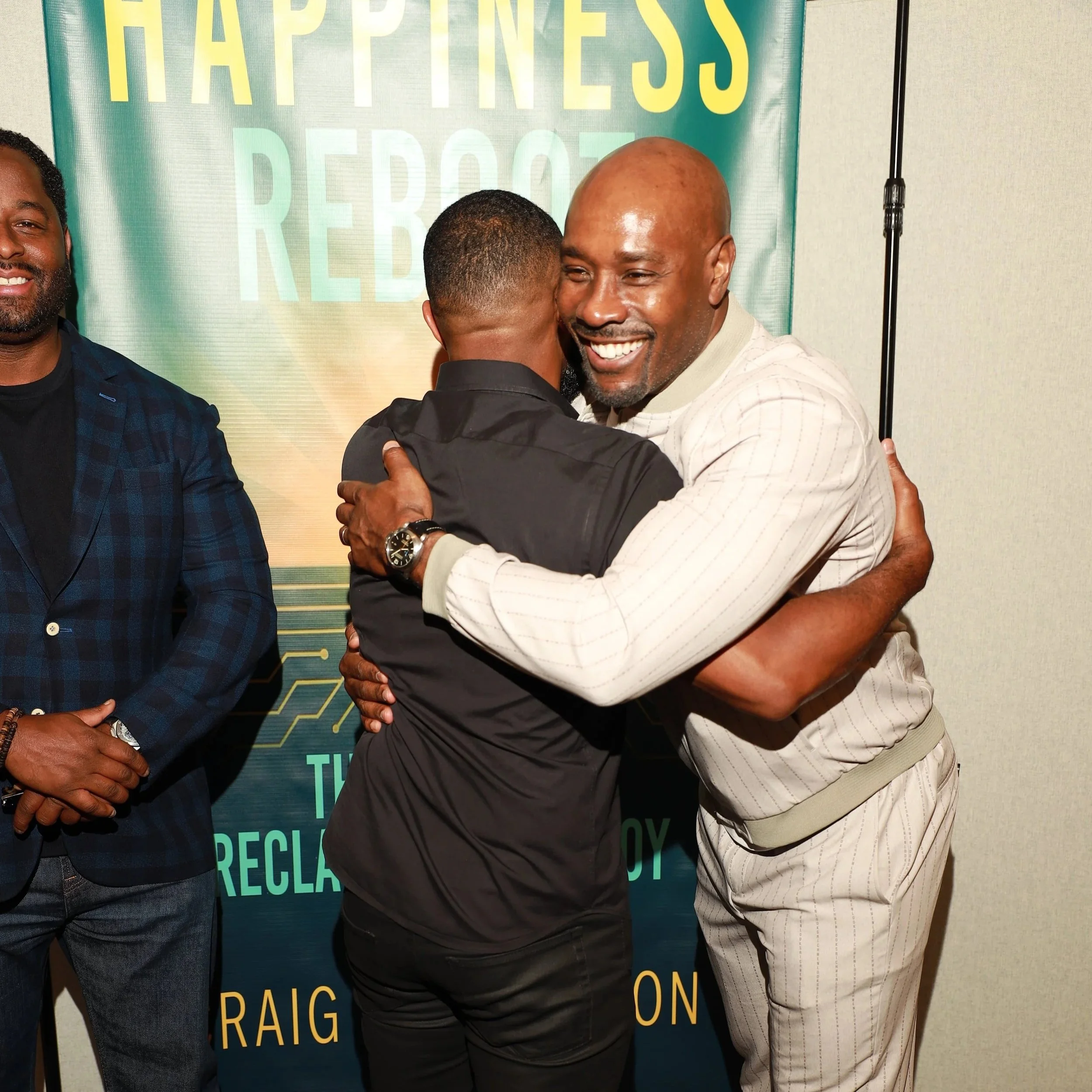
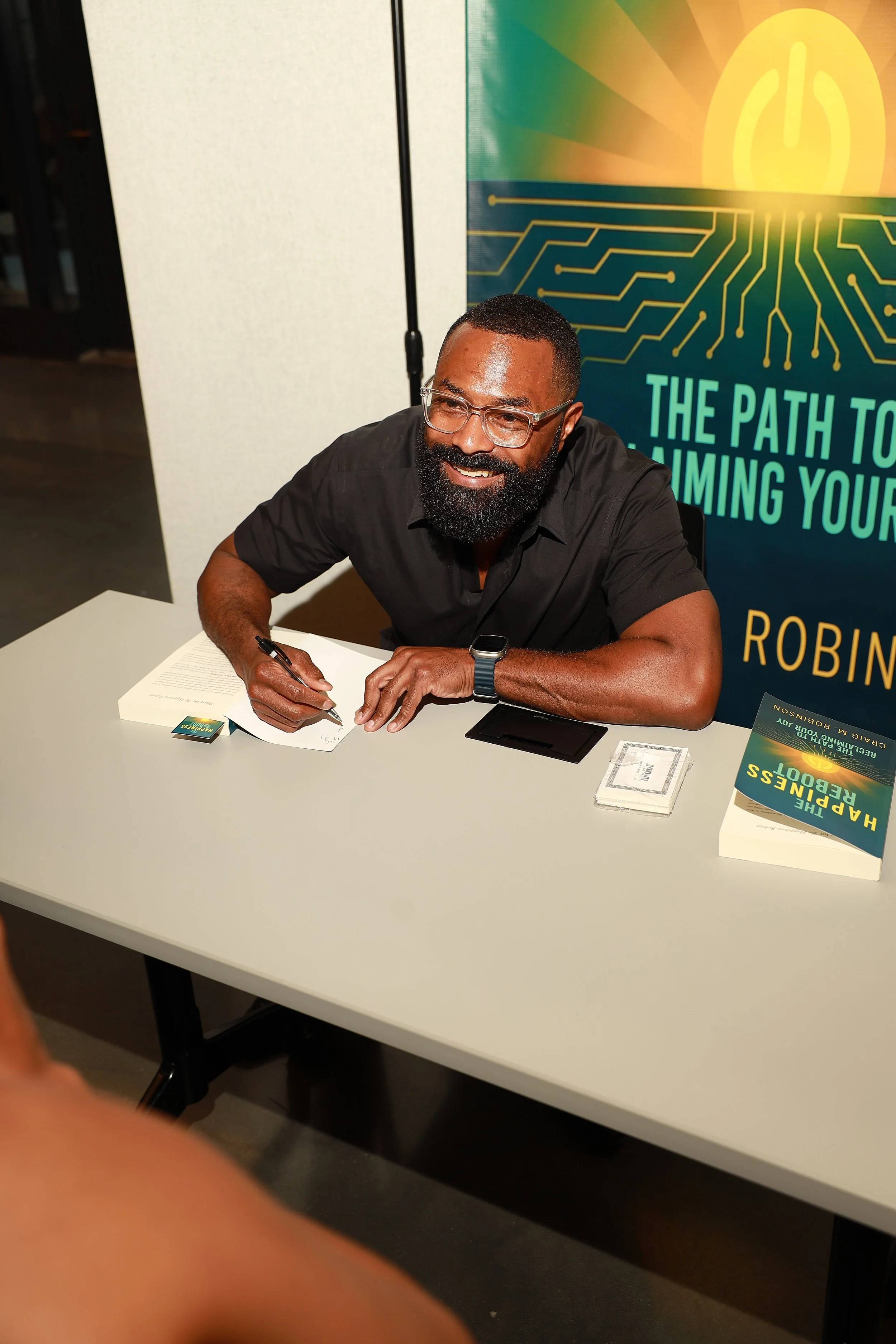
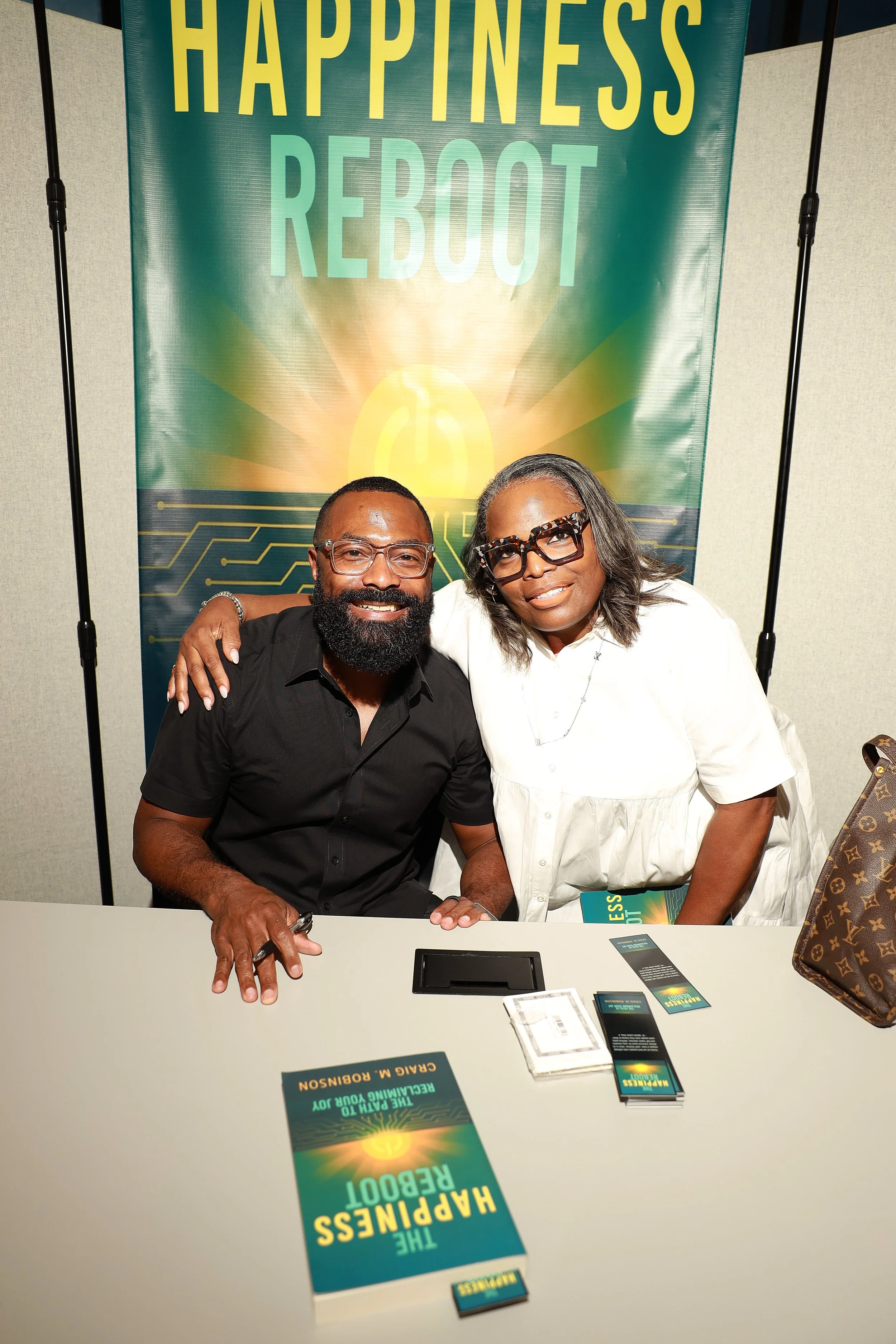
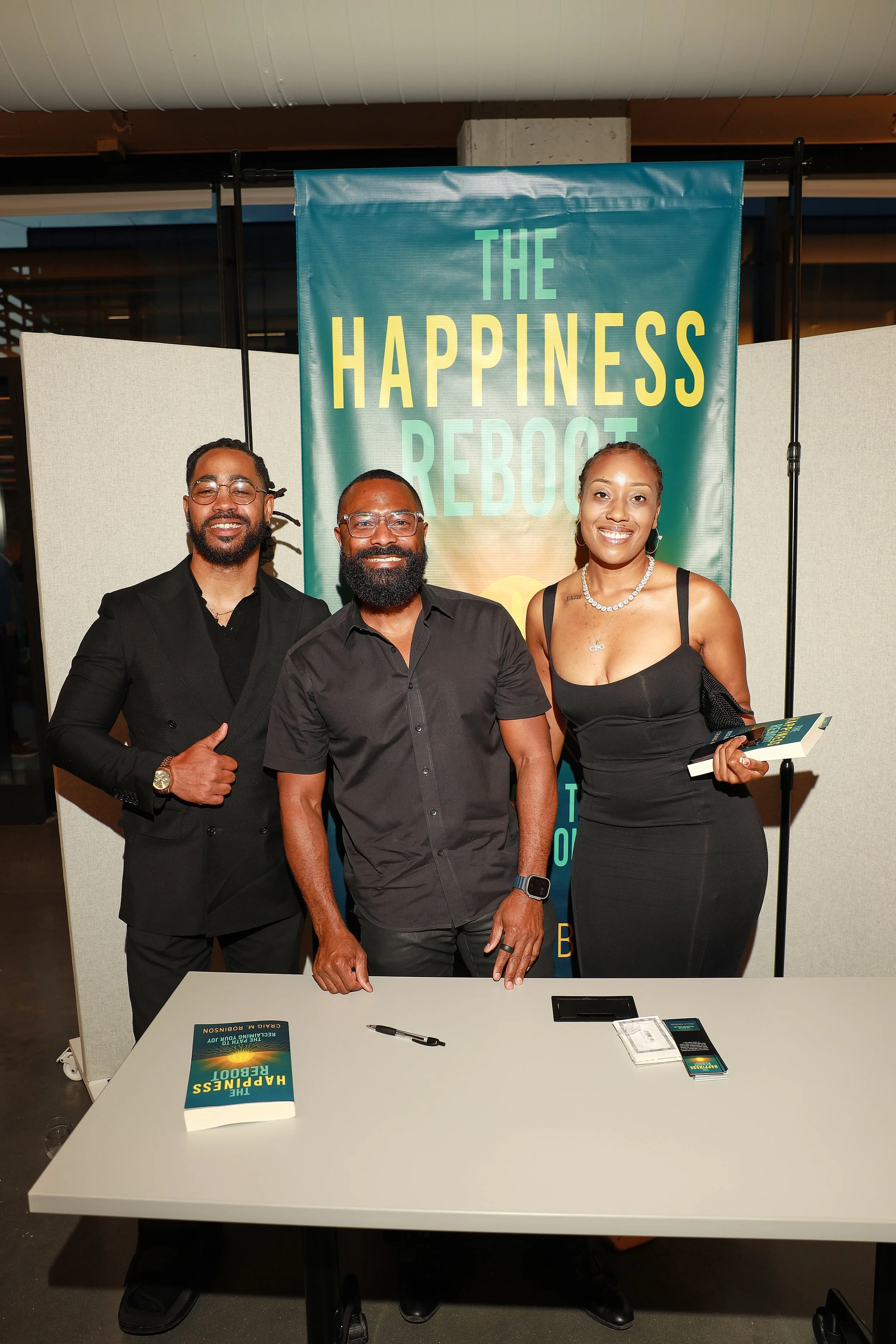
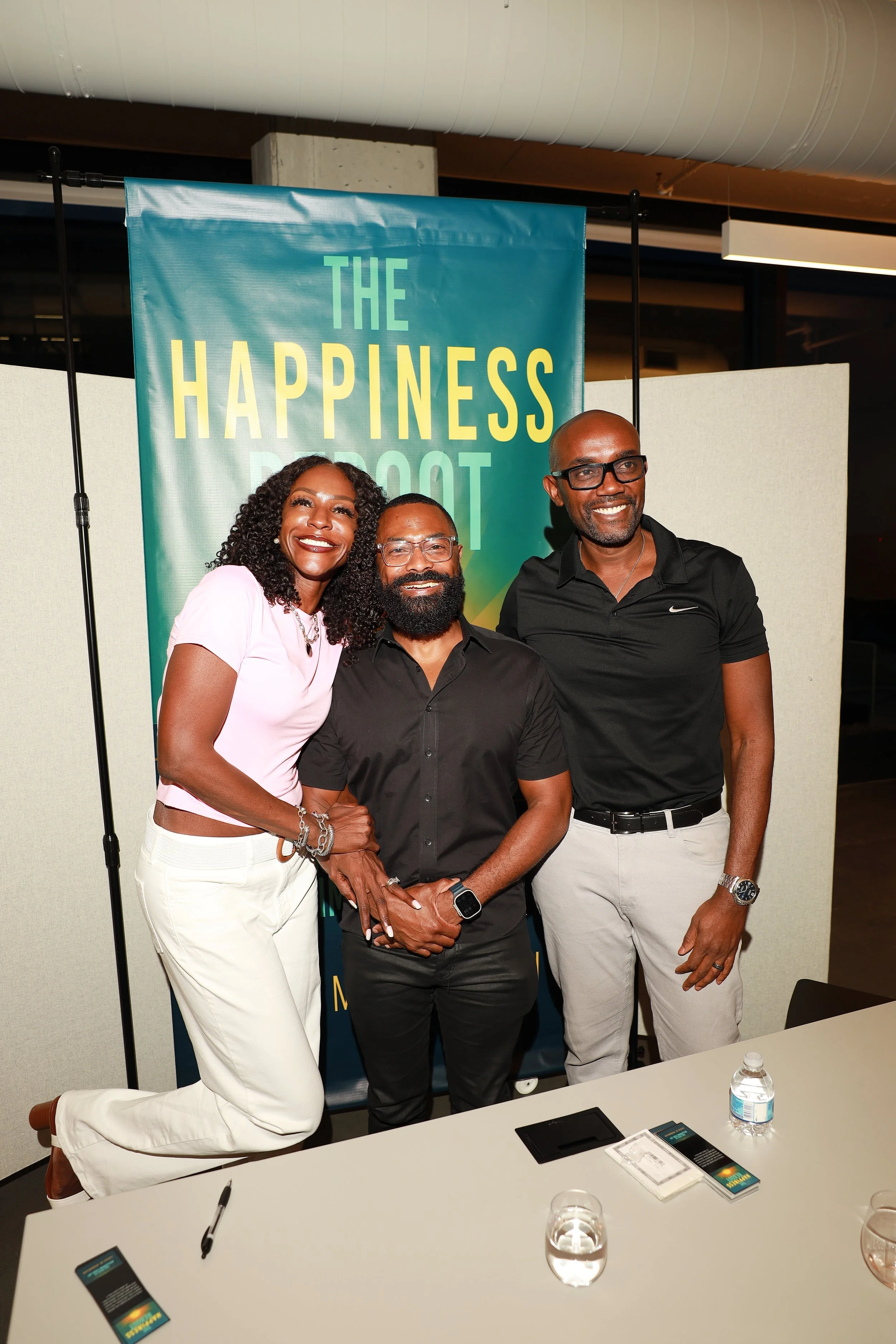
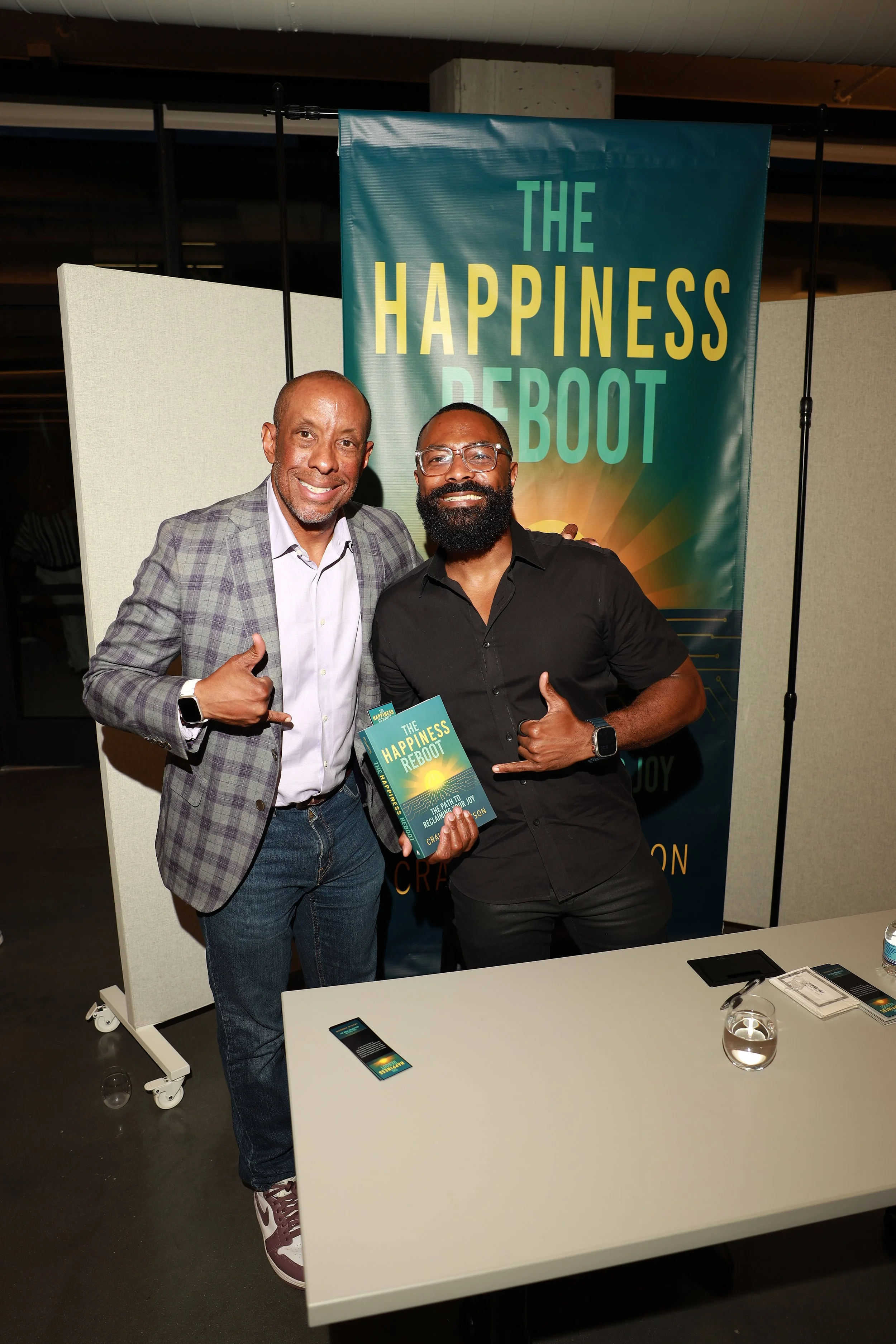
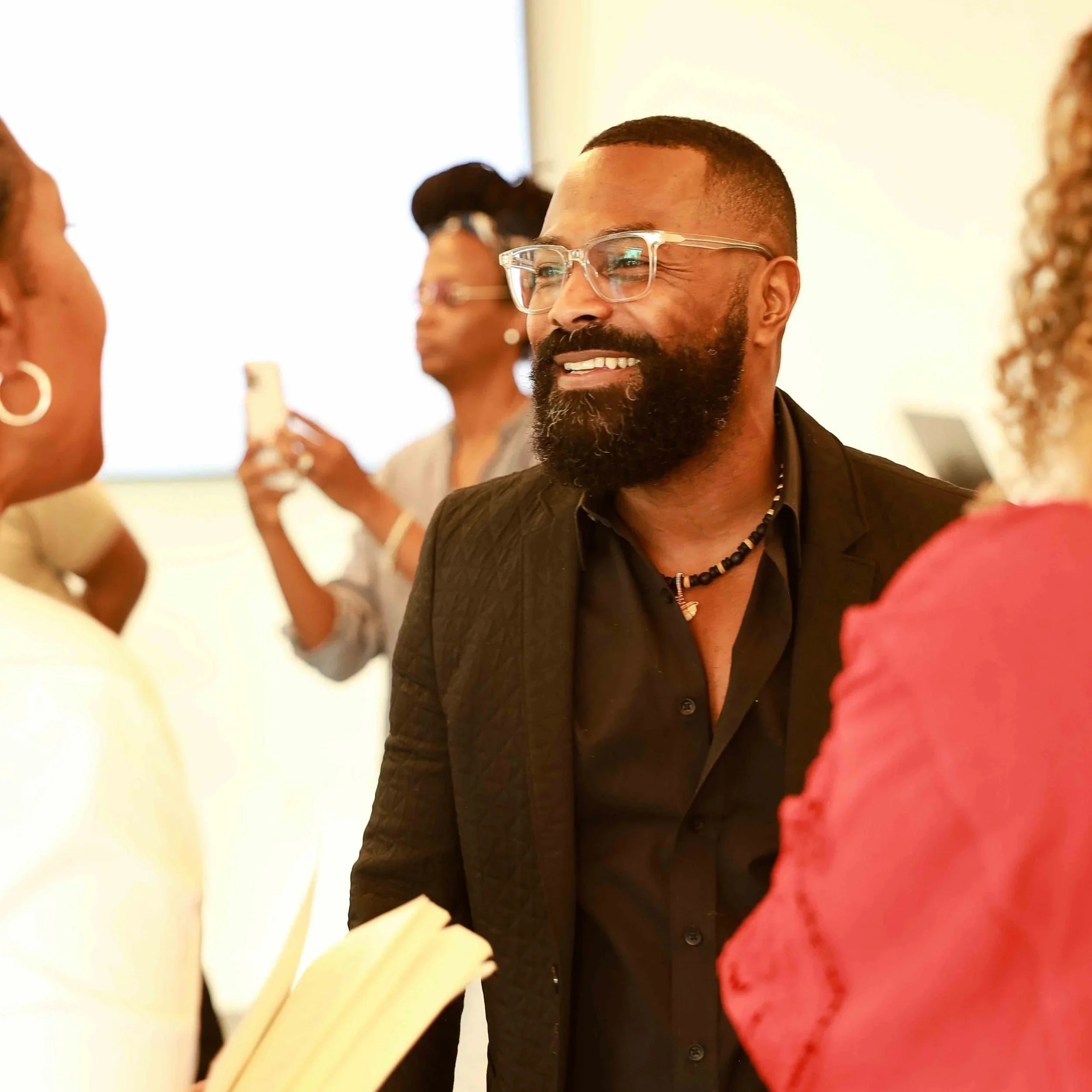
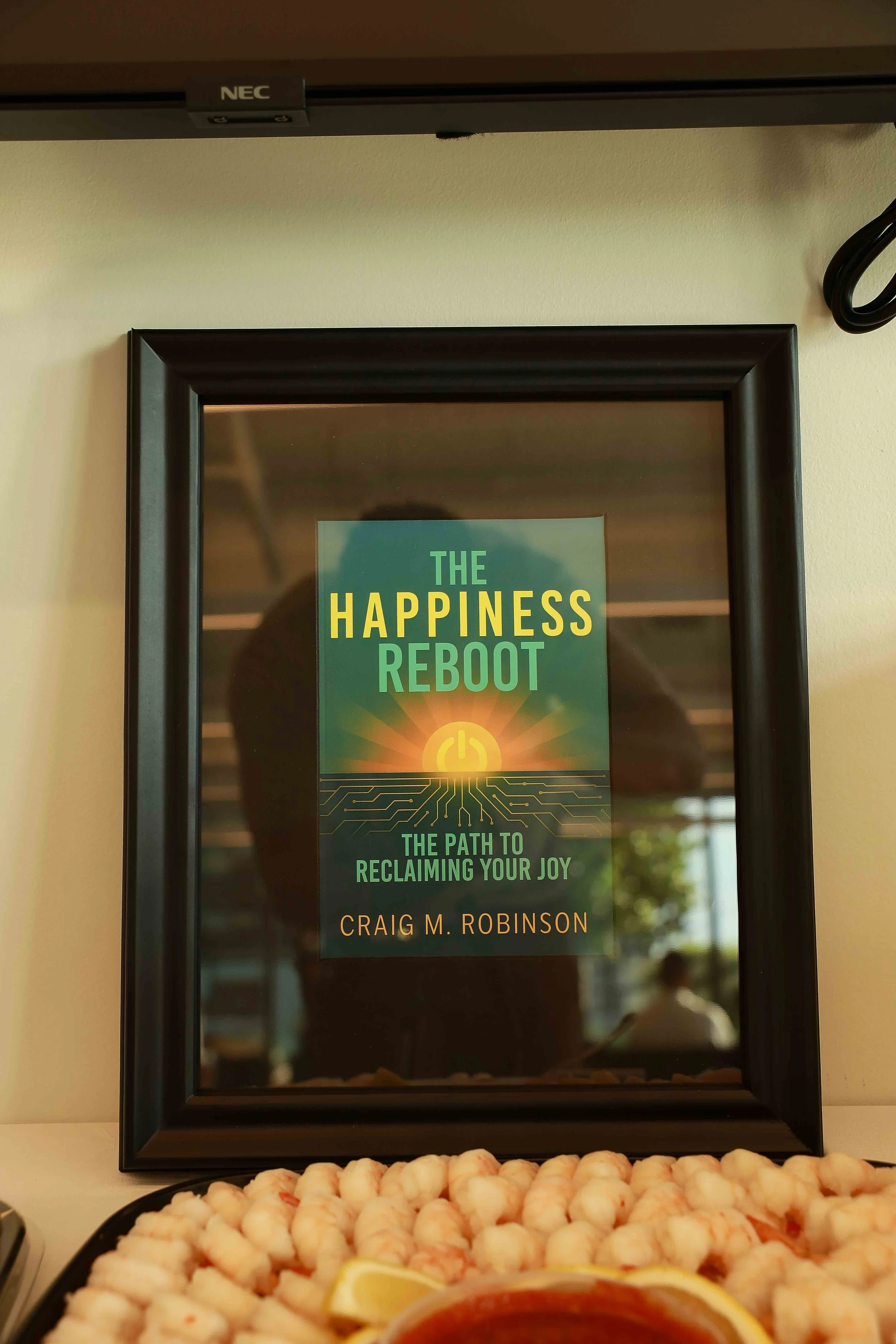
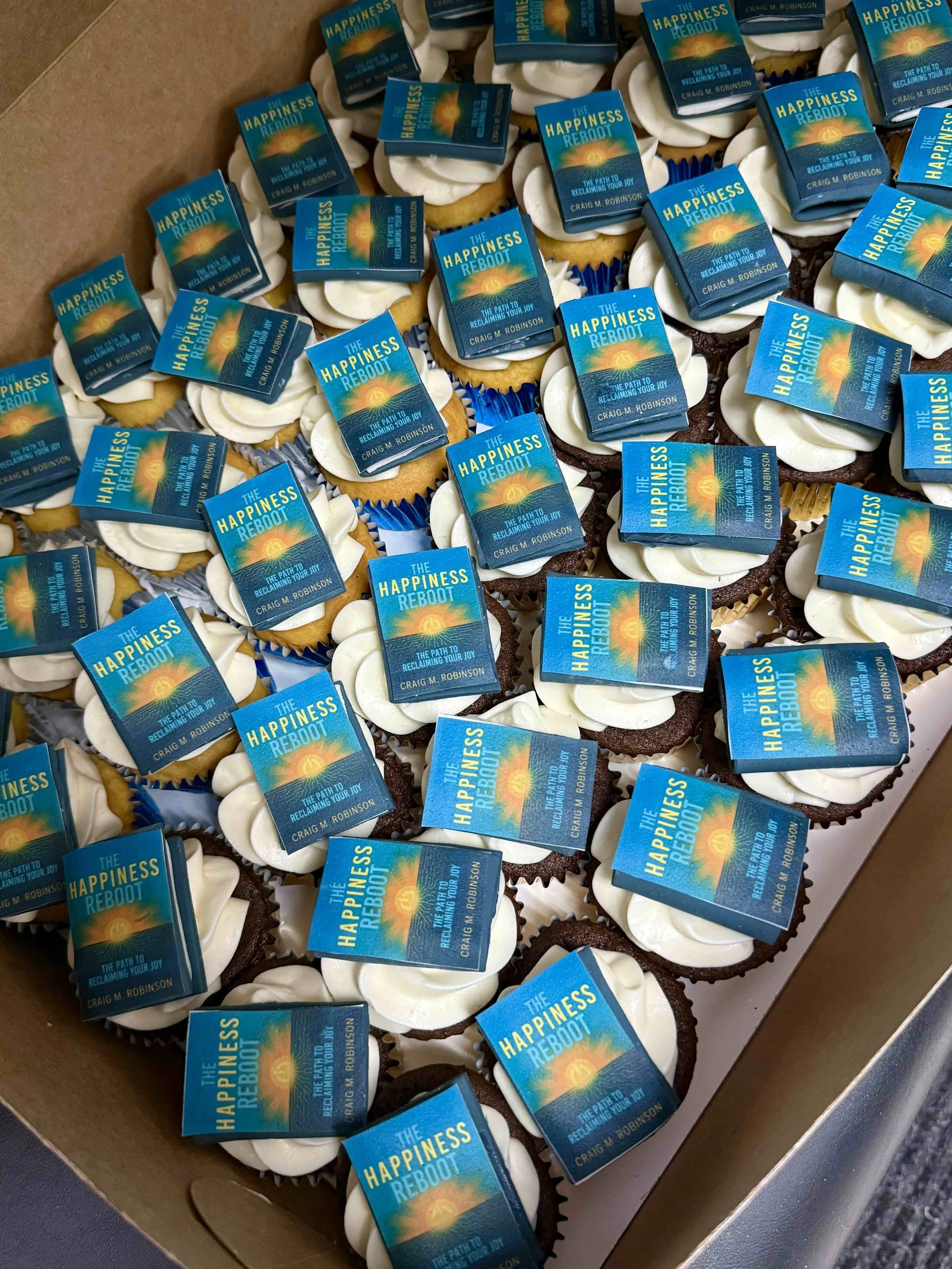
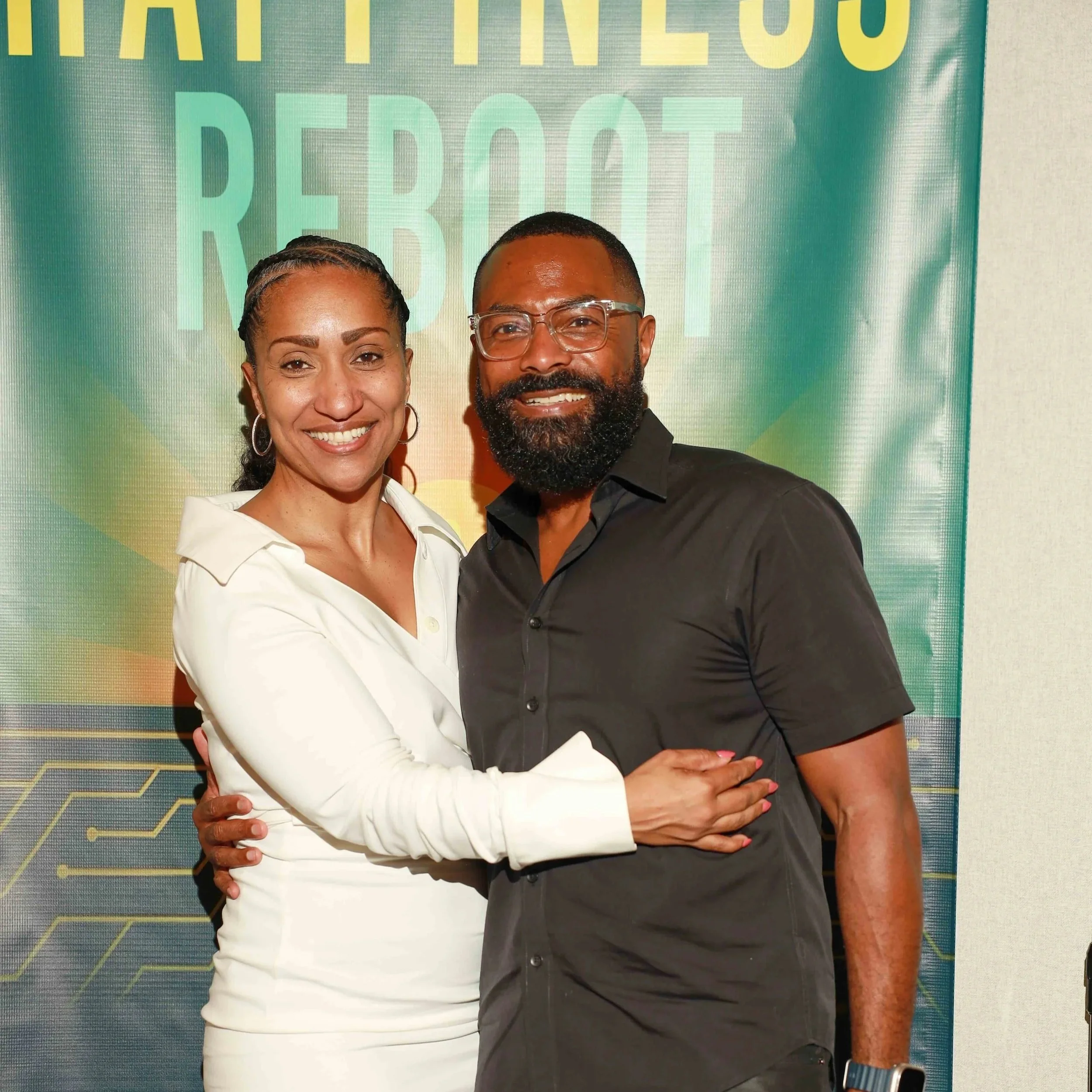
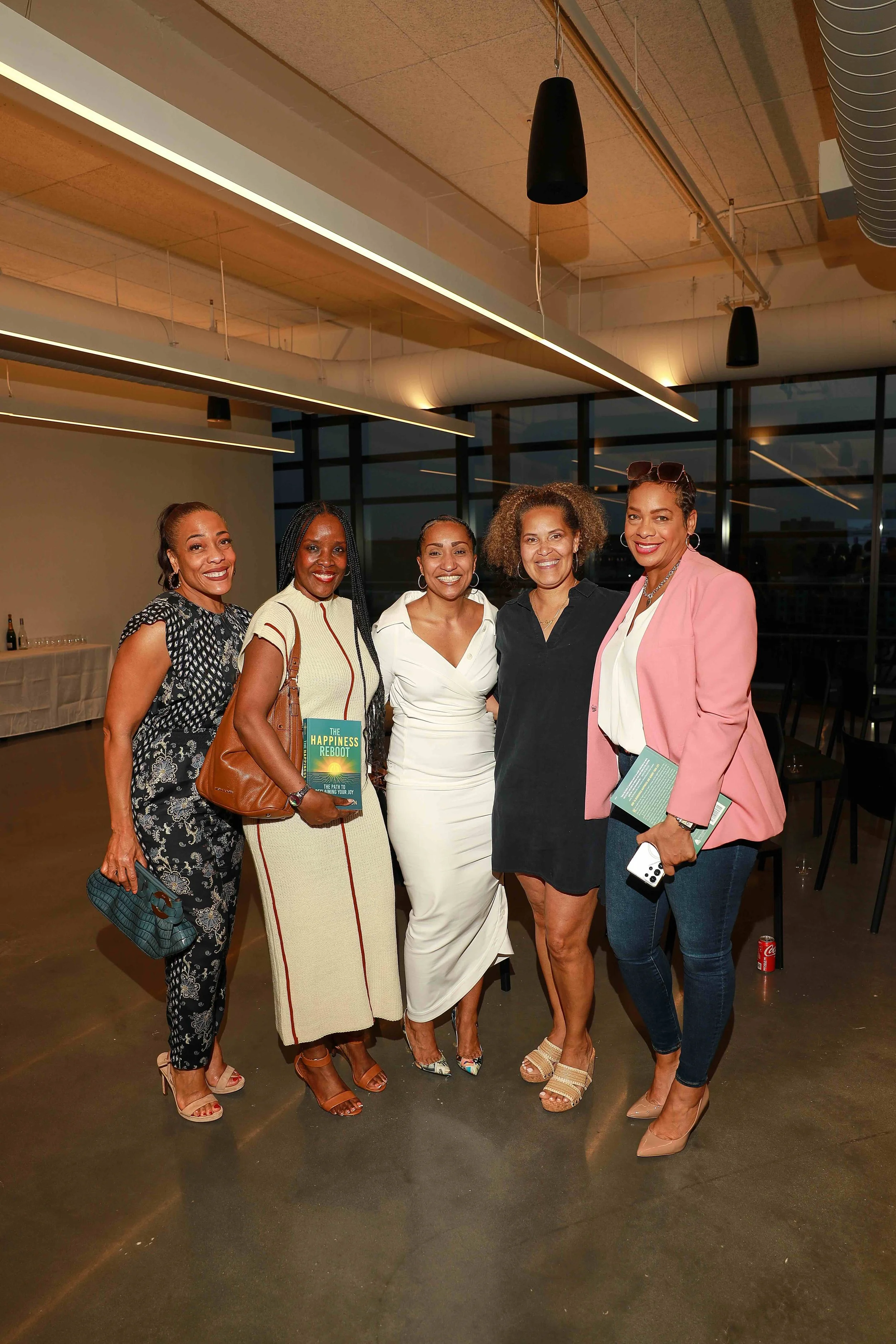
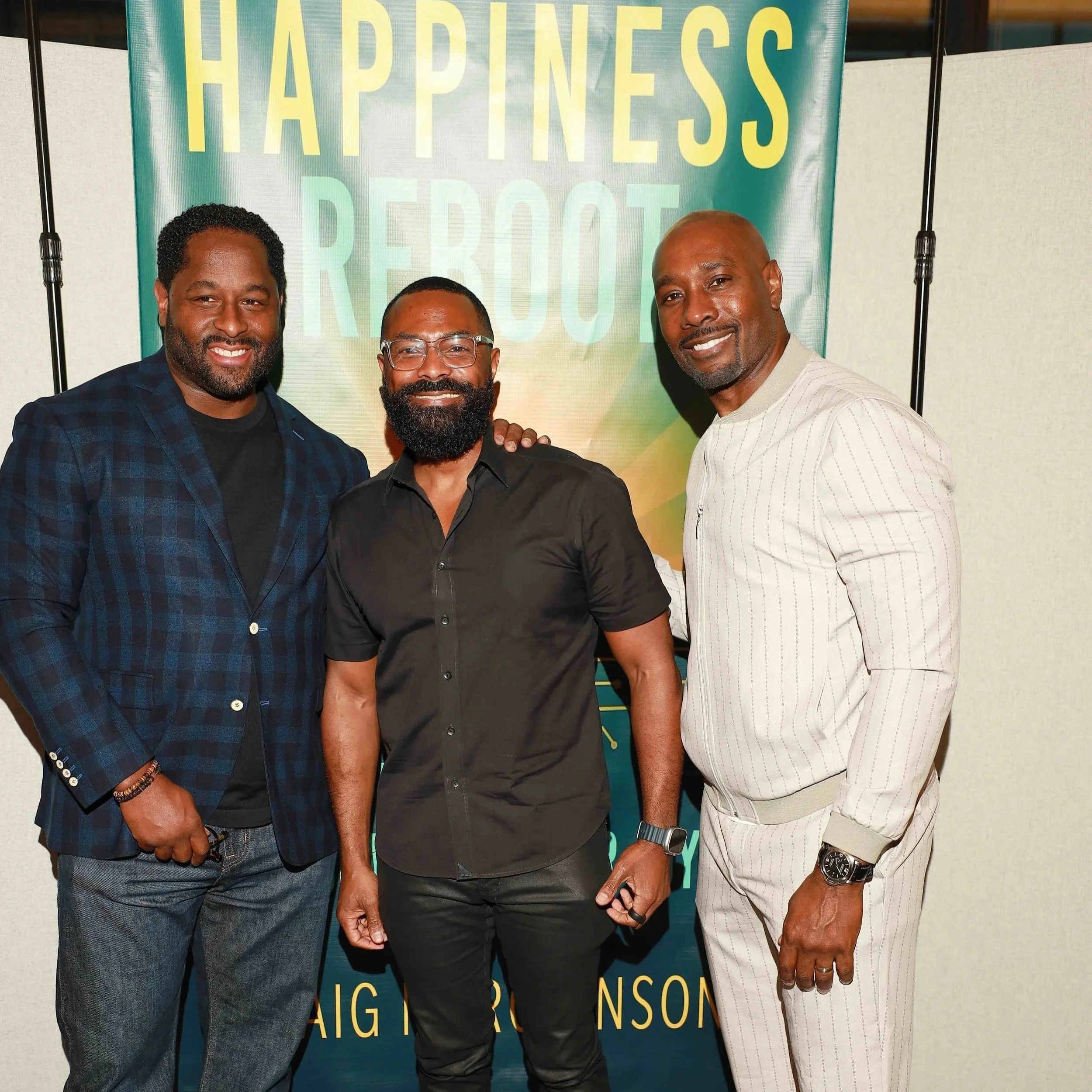
Thank you, Atlanta, for an amazing book talk and signing. The room was filled with more than just support for me and The Happiness Reboot; it was overflowing with love, joy, and a true sense of community.
In happiness research, we learn that connection, belonging, and community are critical ingredients for a fulfilled life—second only to one’s sense of purpose. I was fortunate enough to experience both in one evening.
I look forward to bringing these conversations to your city, your company event, or perhaps your local book club. We are working hard to spread the news that happiness is a verb, and the reboot starts today.
Thank you for being part of the journey!
Craig

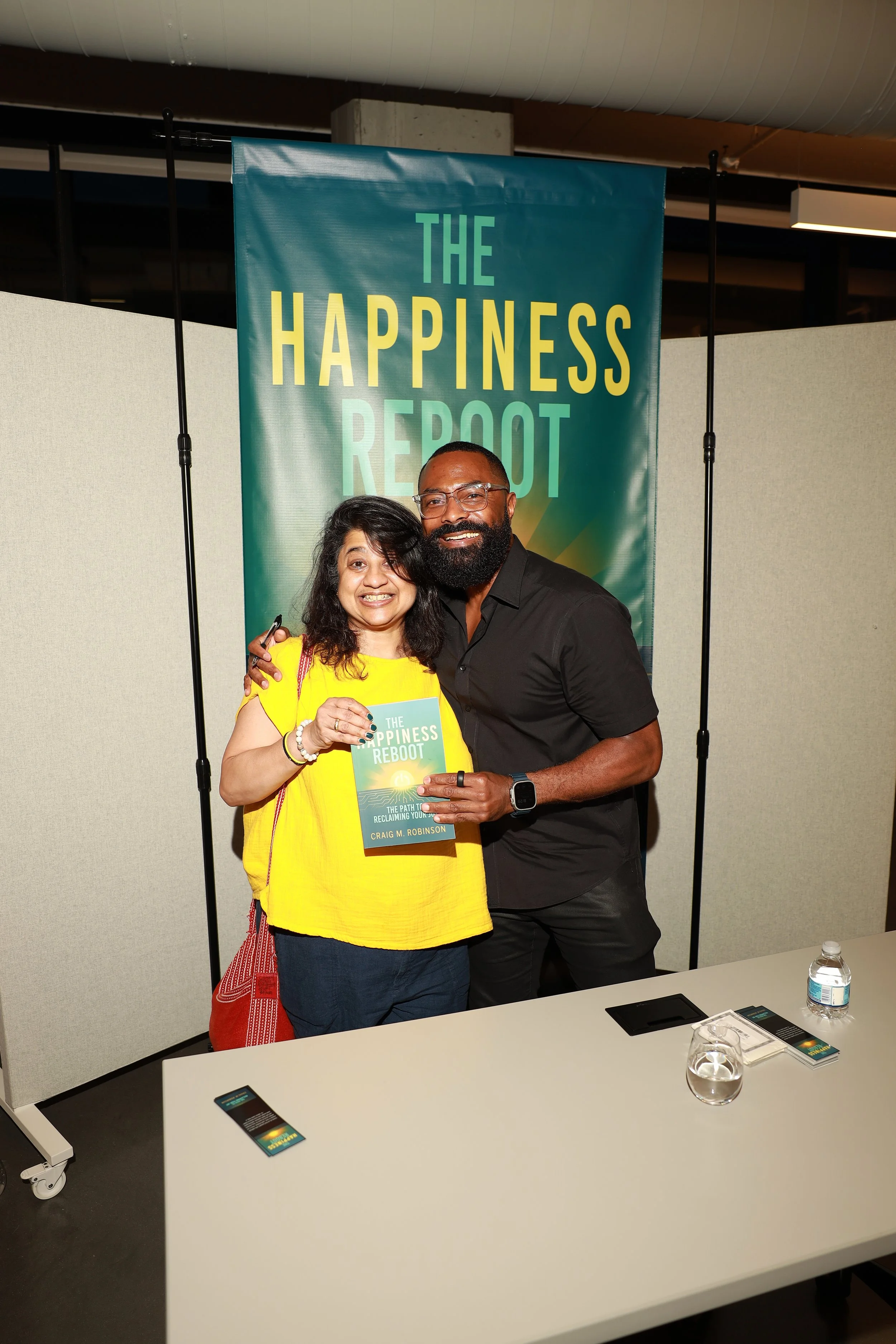
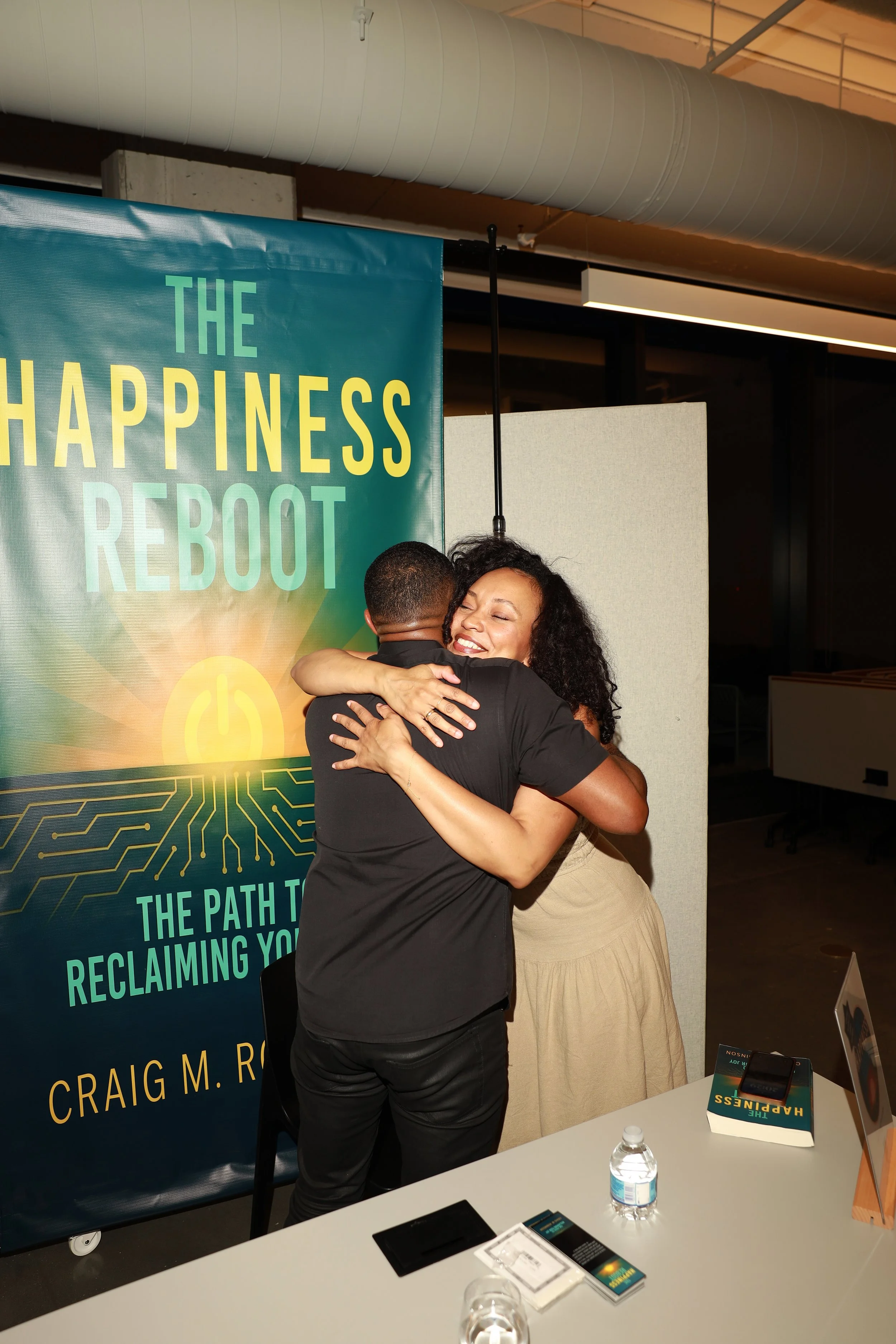
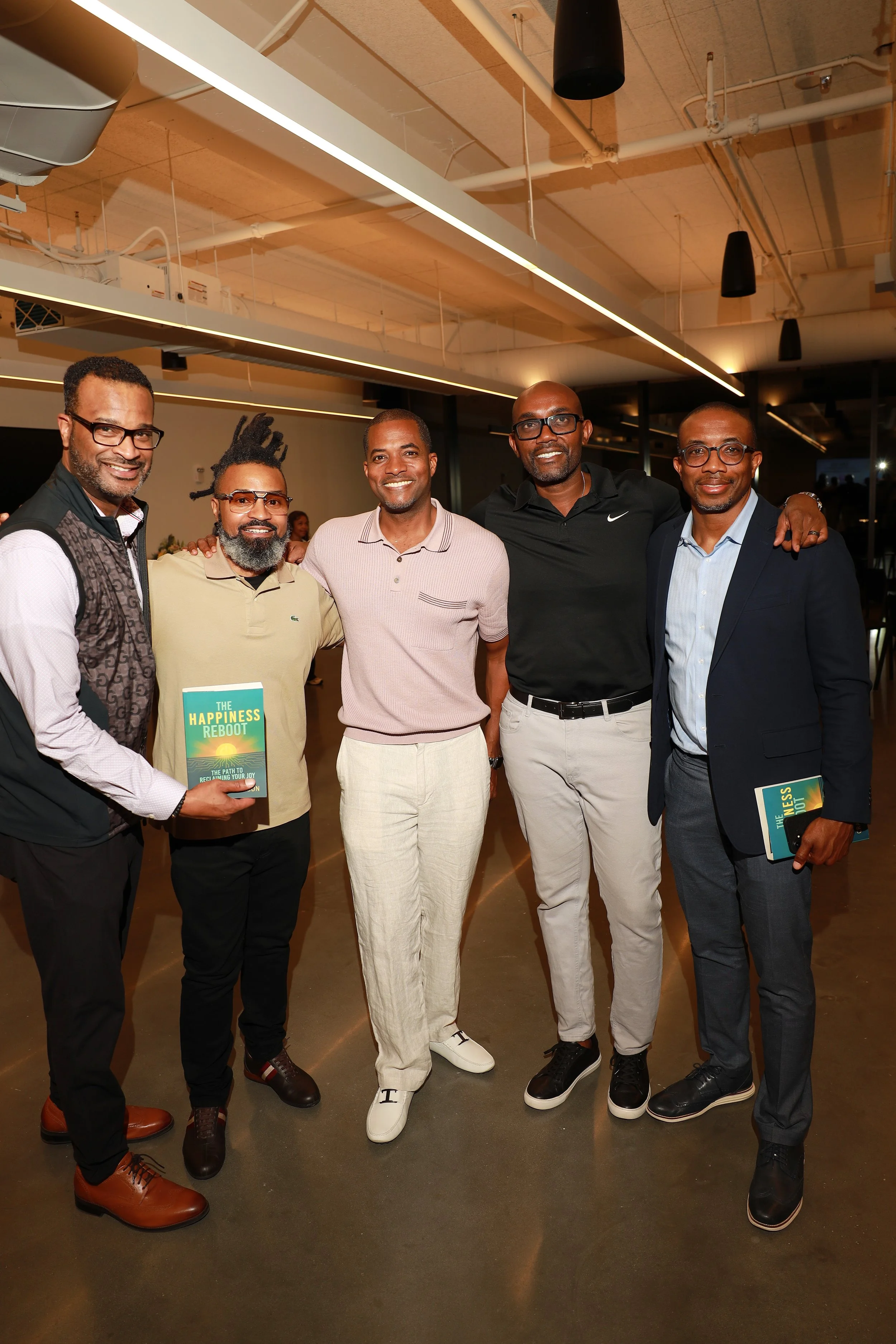
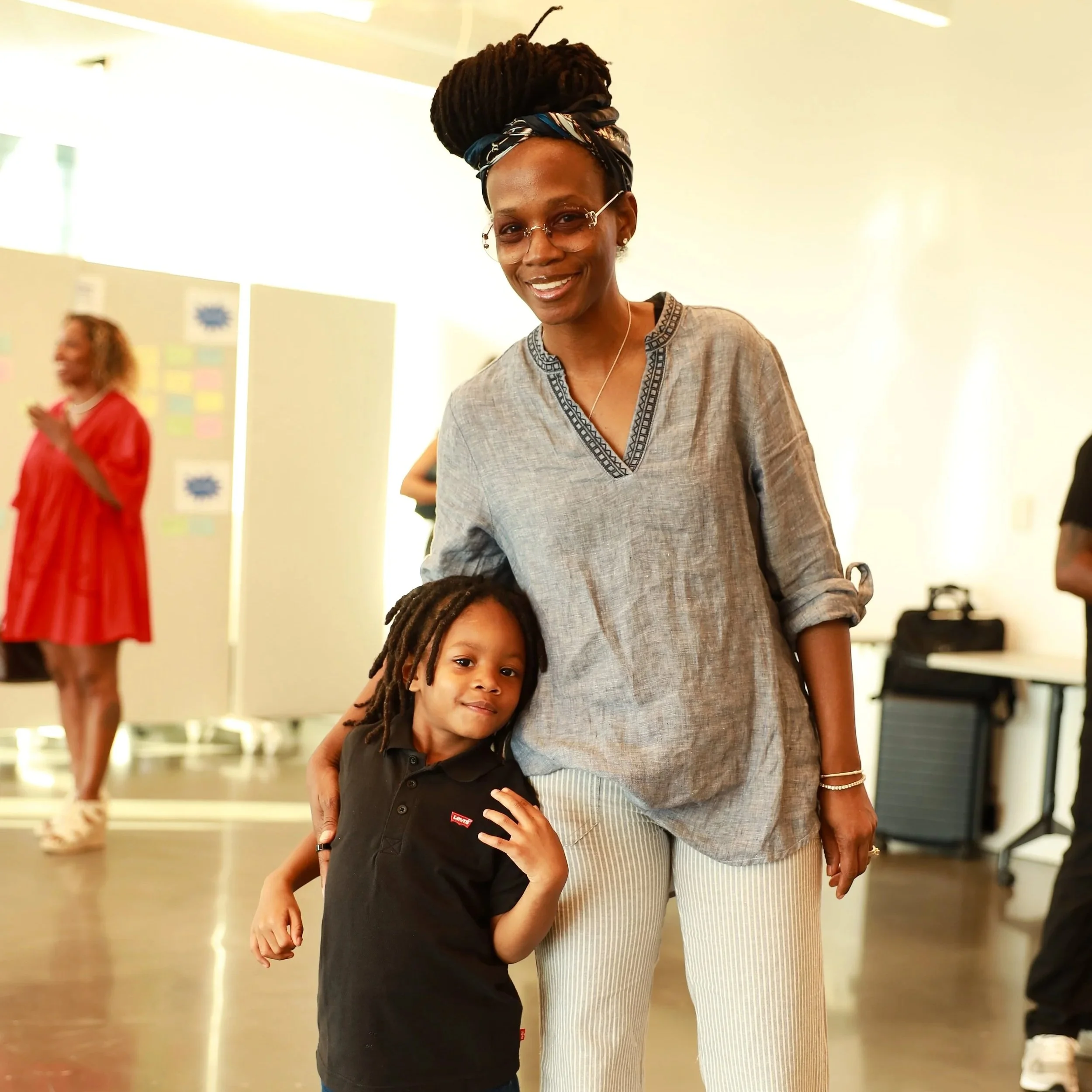
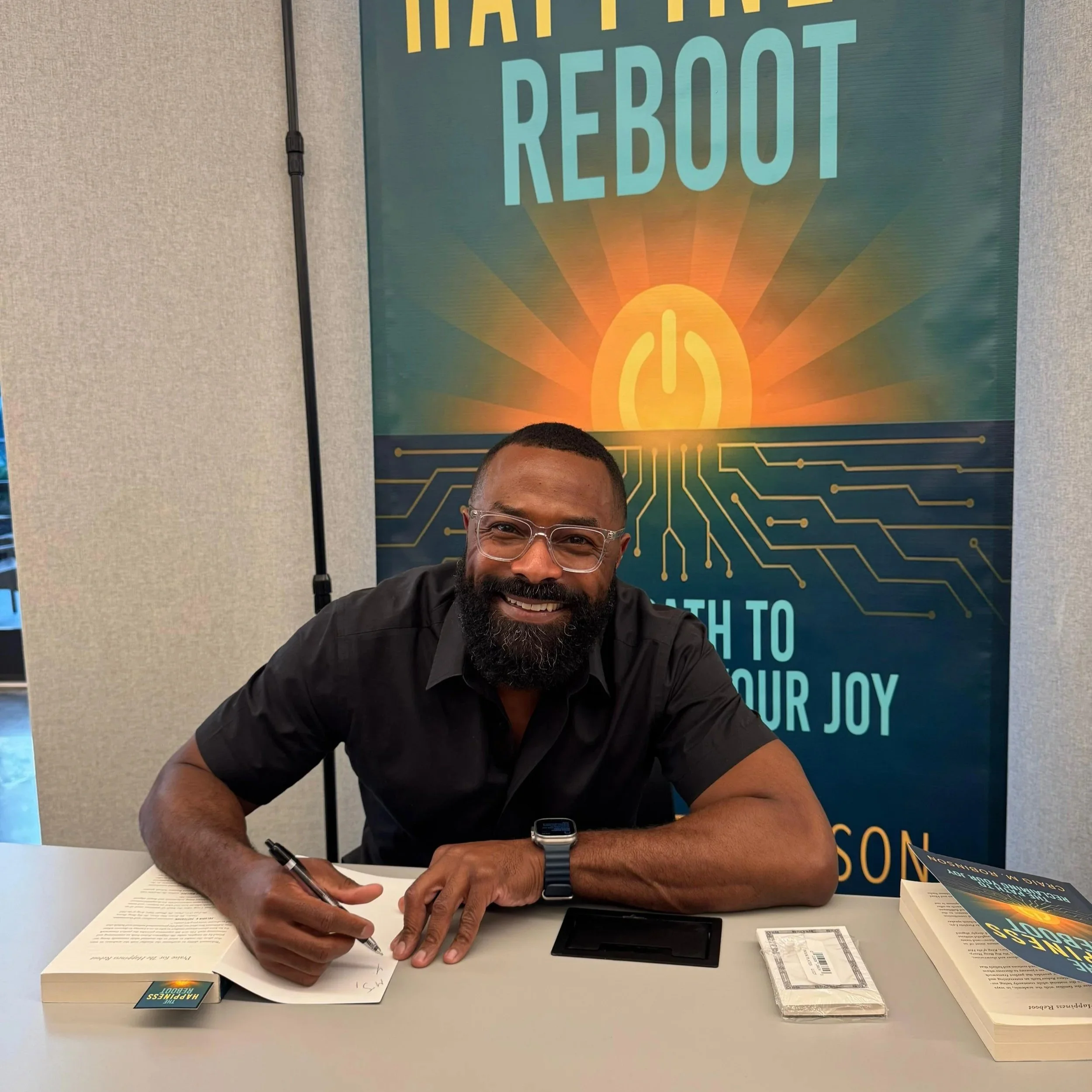
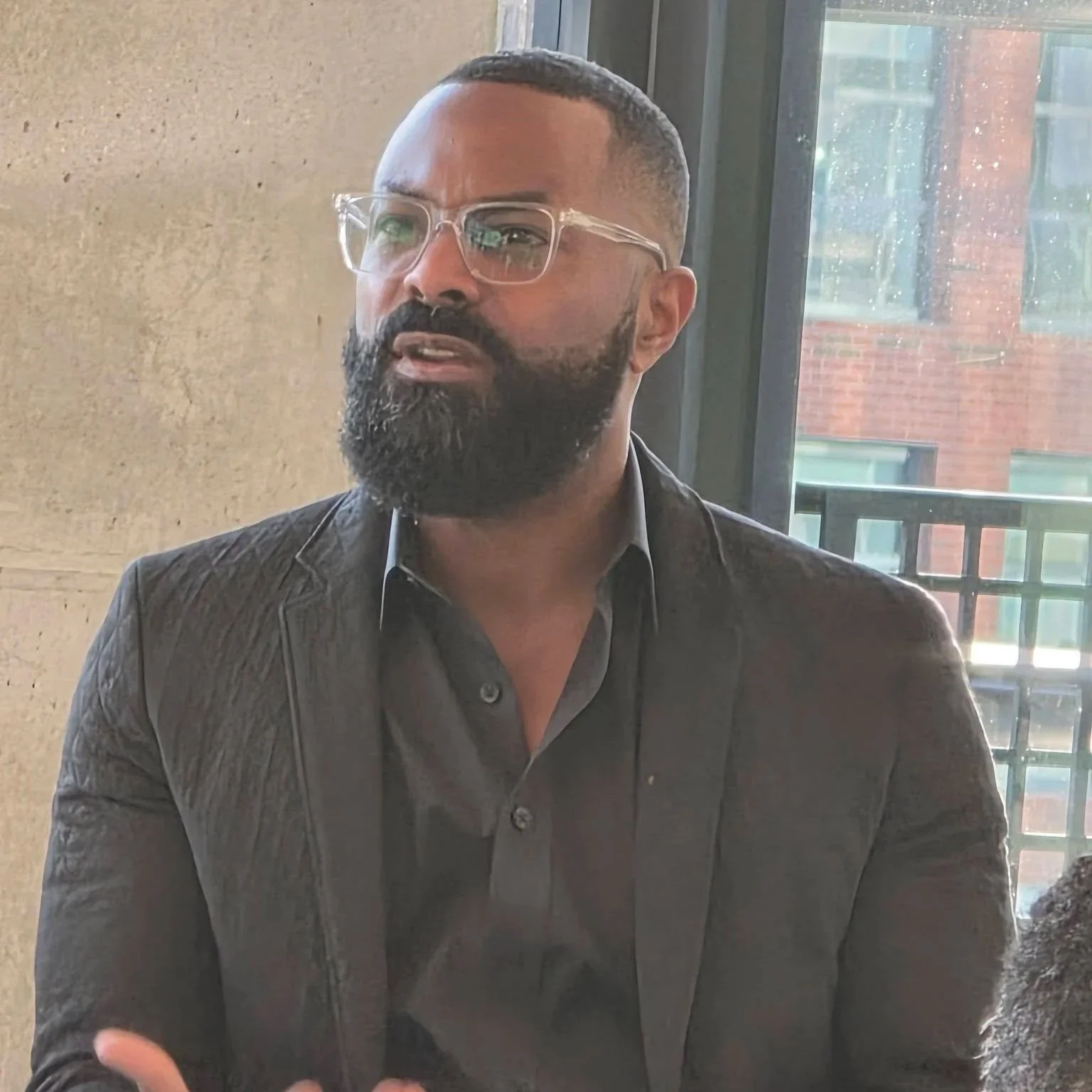
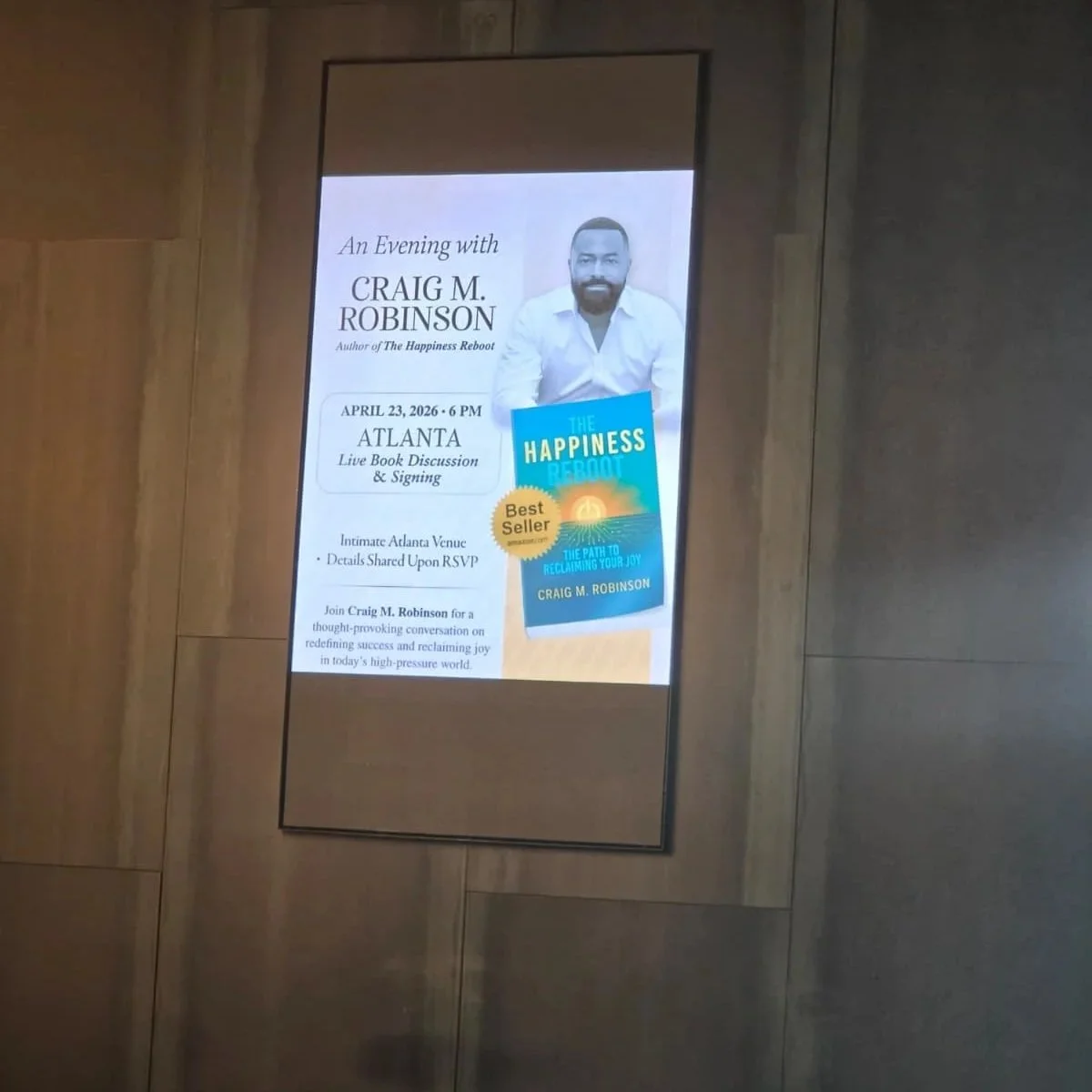
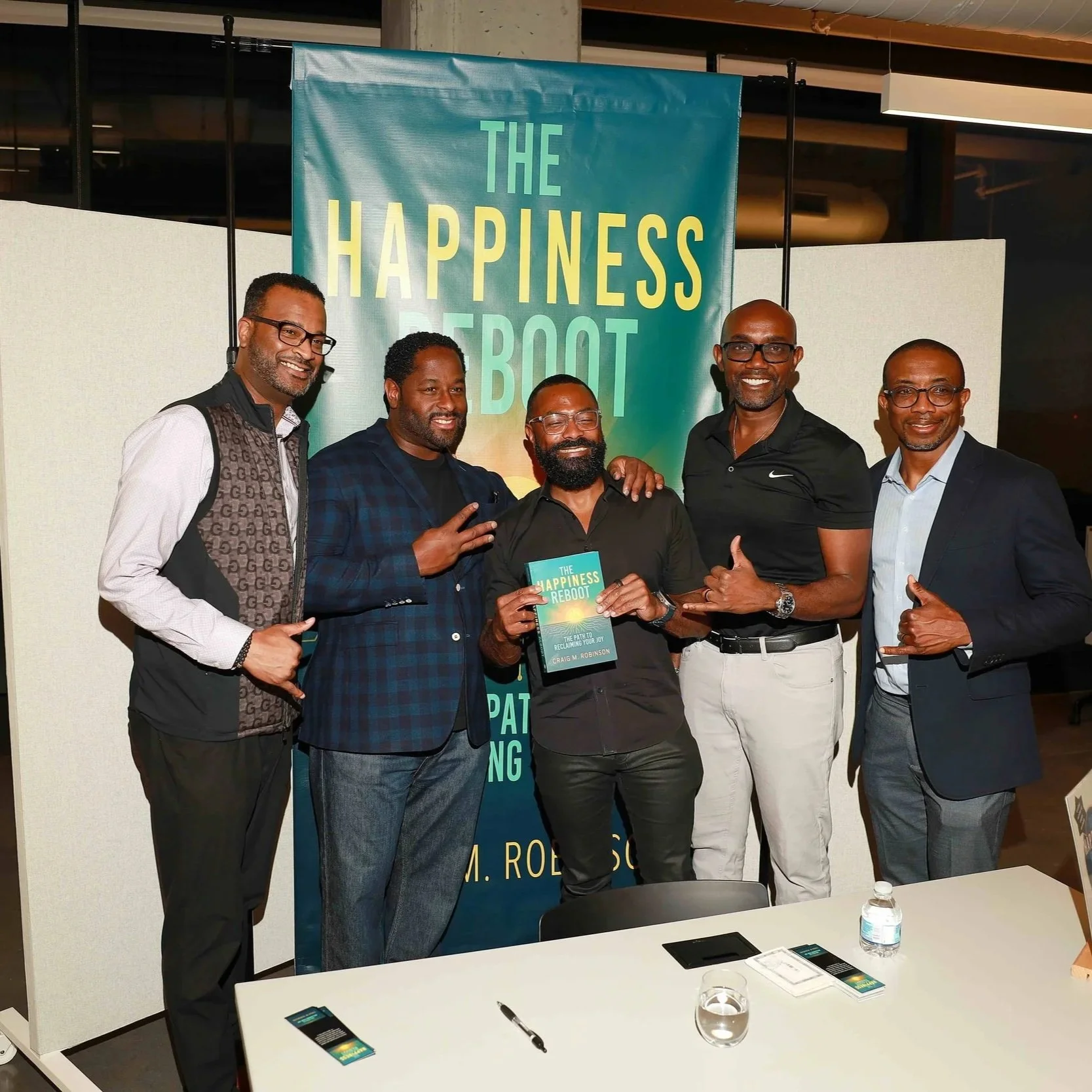
April 16, 2026
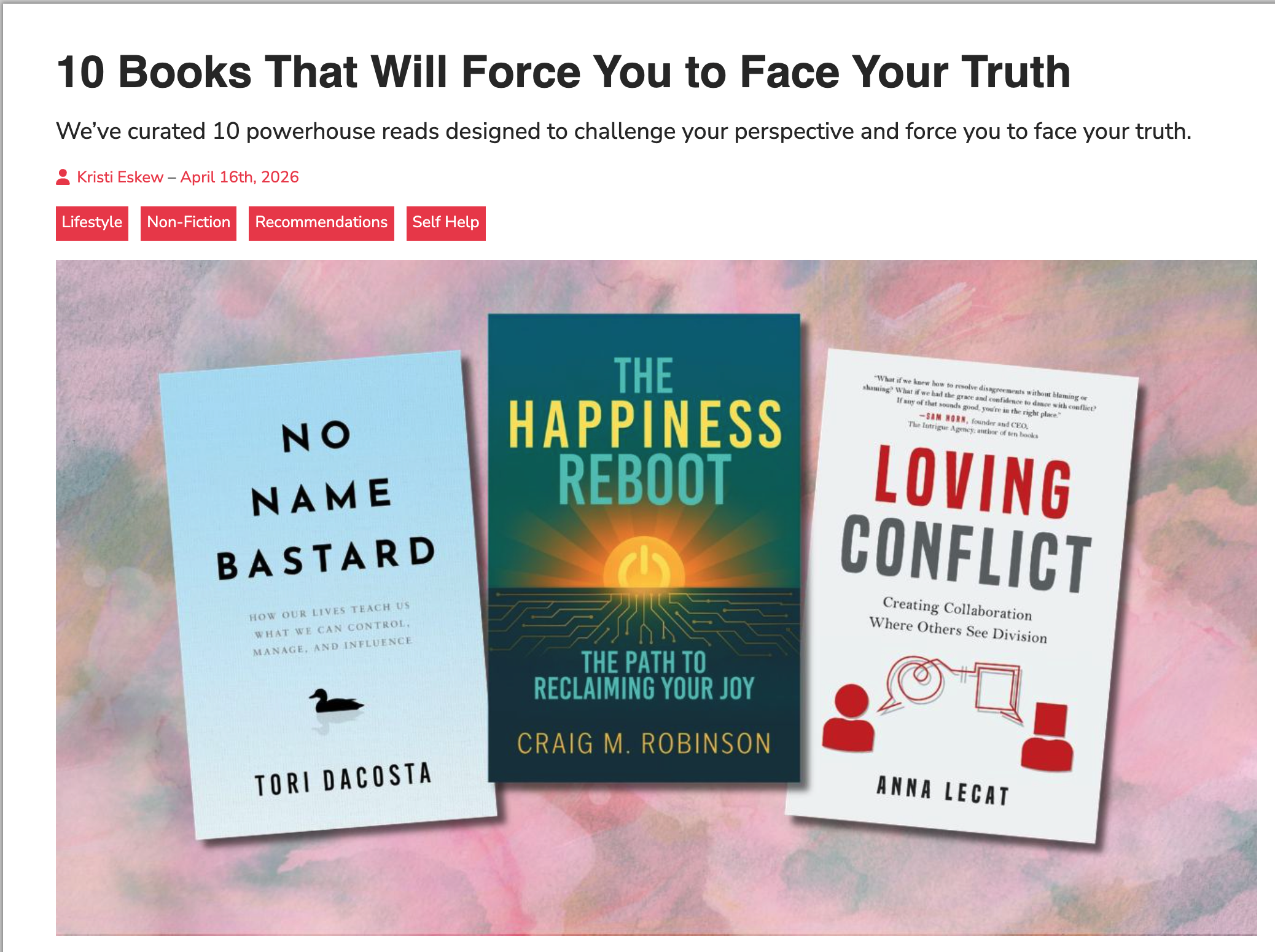
the Happiness reboot named in top 10
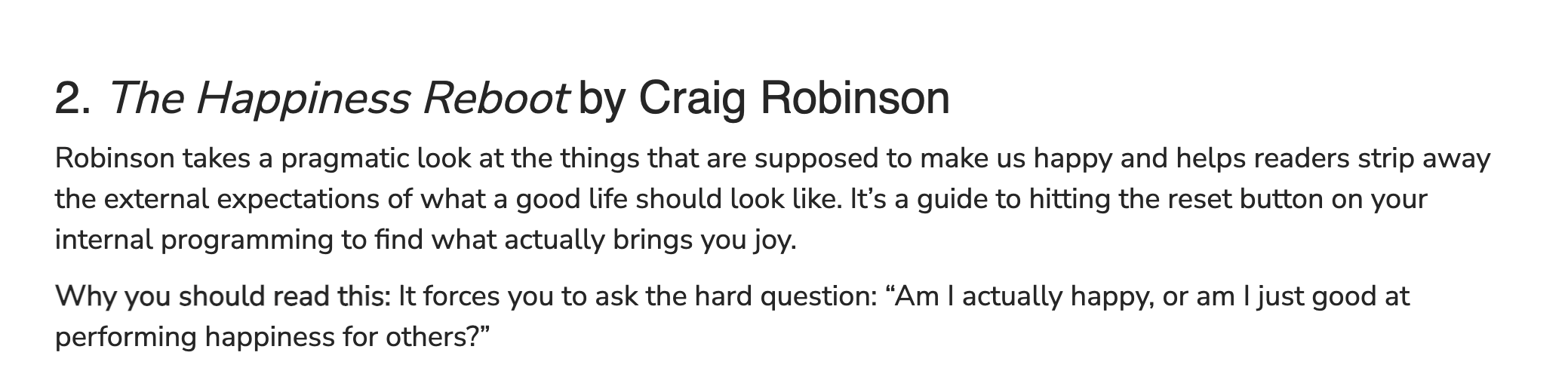
Are we actually happy, or are we just good at looking happy for others?
Bookstr recently included The Happiness Reboot in their list of "10 Books That Will Force You to Face Your Truth."
To me, being recognized for "truth-telling" is a profound honor. It is the core mission of this book to move past the performance of happiness and toward the real thing.
I am proud to share the shelf with a group of bold, provocative writers:
Anna Lecat, Tori DaCosta, EMBA, ChFC®, Carol Dweck, Merle James Yost (LMFT), Glennon Doyle, Jon Frederickson, Joseph Nguyen, Rachel Hollis, and Mark Manson.
Congratulations to my fellow authors. You can find the full list and your next "truth-seeking" read here.
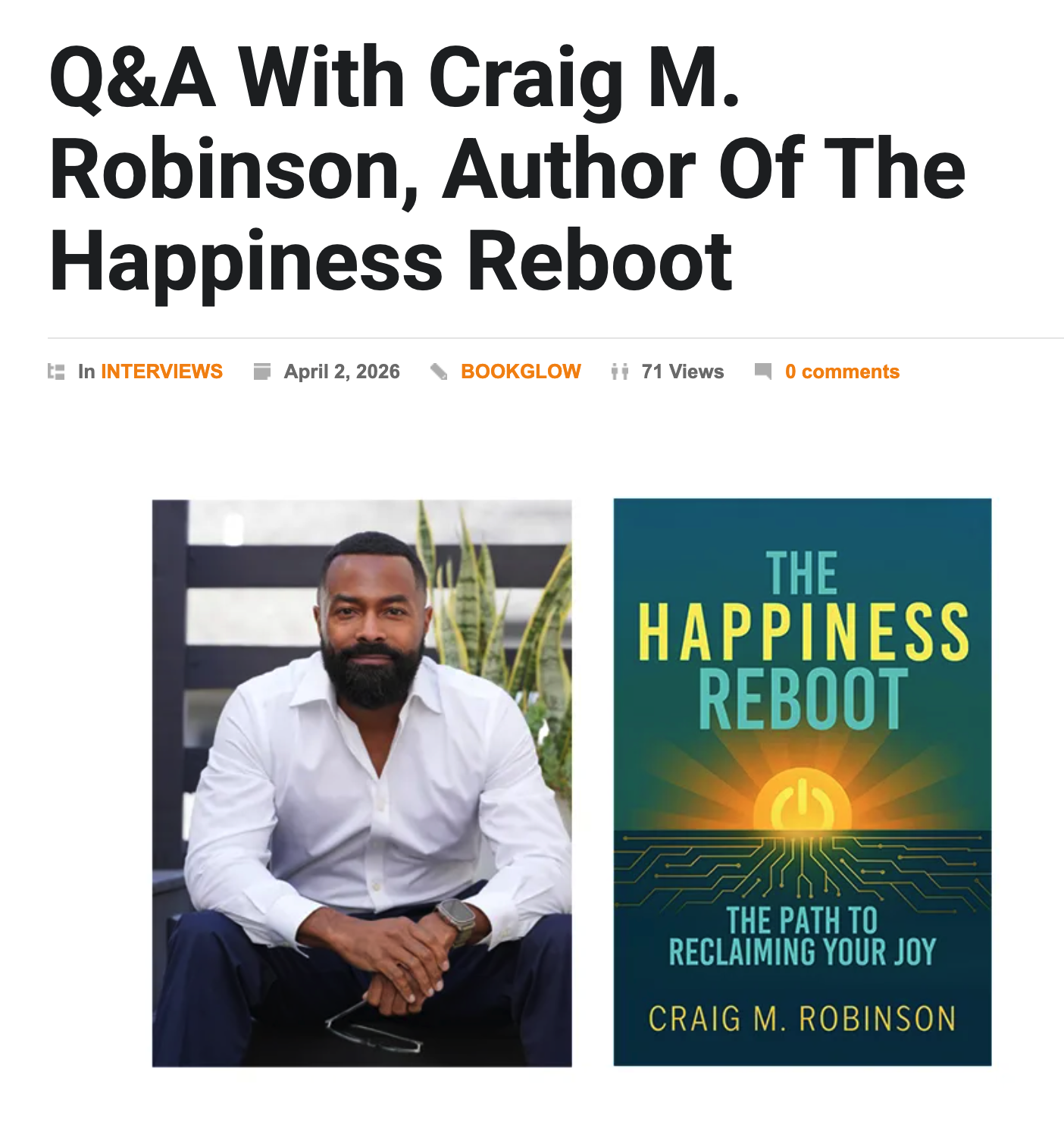

“This book originates from my own pain and therapy. No matter how far along I think I am, I am still healing. One of my early editors encouraged me to move away from just data and science and incorporate more of my personal story. Speaking to my own experiences with divorce and professional setbacks was difficult, but it forced me to sit with my own journey in a way that was powerfully healing. I am practicing exactly what I prescribe to my readers every single day.”
“Happiness is a verb. An action verb.
I want readers to realize they have more power than society leads them to believe. Happiness is idiosyncratic and deeply personal; you can’t crowdsource it.”
April 2, 2026
the story behind the reboot
What first inspired you to explore happiness deeply enough to write The Happiness Reboot?
I was your classic “golden child” growing up. I felt seen, valued, and loved primarily through achievement. So, that’s what I did. I graduated at the top of my high school class, went to MIT for college, and later earned my MBA from Harvard before launching a career in commercial real estate. Over the next two decades, I flourished professionally in all the ways I had dreamed. I led national and global businesses as a division CEO and served in the C-suite of some of the most admired real estate companies. I was successful, but I was not happy—at least not in the ways I had imagined I would be.
While I didn’t have a clear thesis on what to do differently, my working hypothesis was to find professional opportunities that addressed my intrinsic need for purpose, belonging, and impact. WeWork was my pivot. I joined the executive team to lead a new global division designing and operating workspaces for companies like Google, Amazon, Meta, and Salesforce. I saw firsthand that my desire for fulfillment at work wasn’t unique; we delivered millions of square feet for organizations across China, Japan, Europe, and the Americas that were all trying to stimulate productivity and—dare I say it—inspire happiness.
Although I left WeWork during its restructuring, I became obsessed with the study of well-being. I expanded my curiosity beyond the office to interrogate the roles of relationships and faith in the “happiness calculus.” After years of researching and developing frameworks to help others, I synthesized what I learned into my book, The Happiness Reboot.
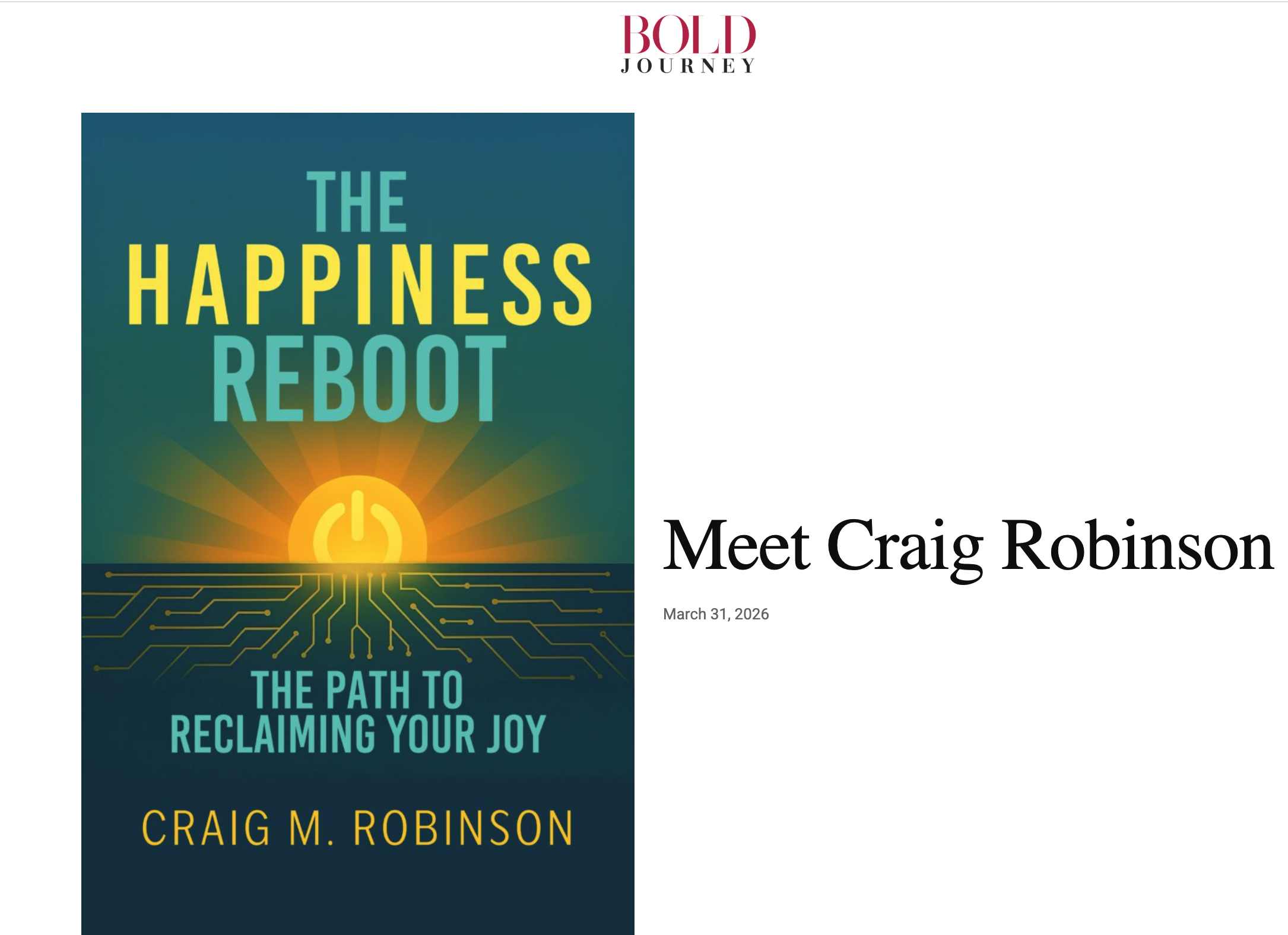
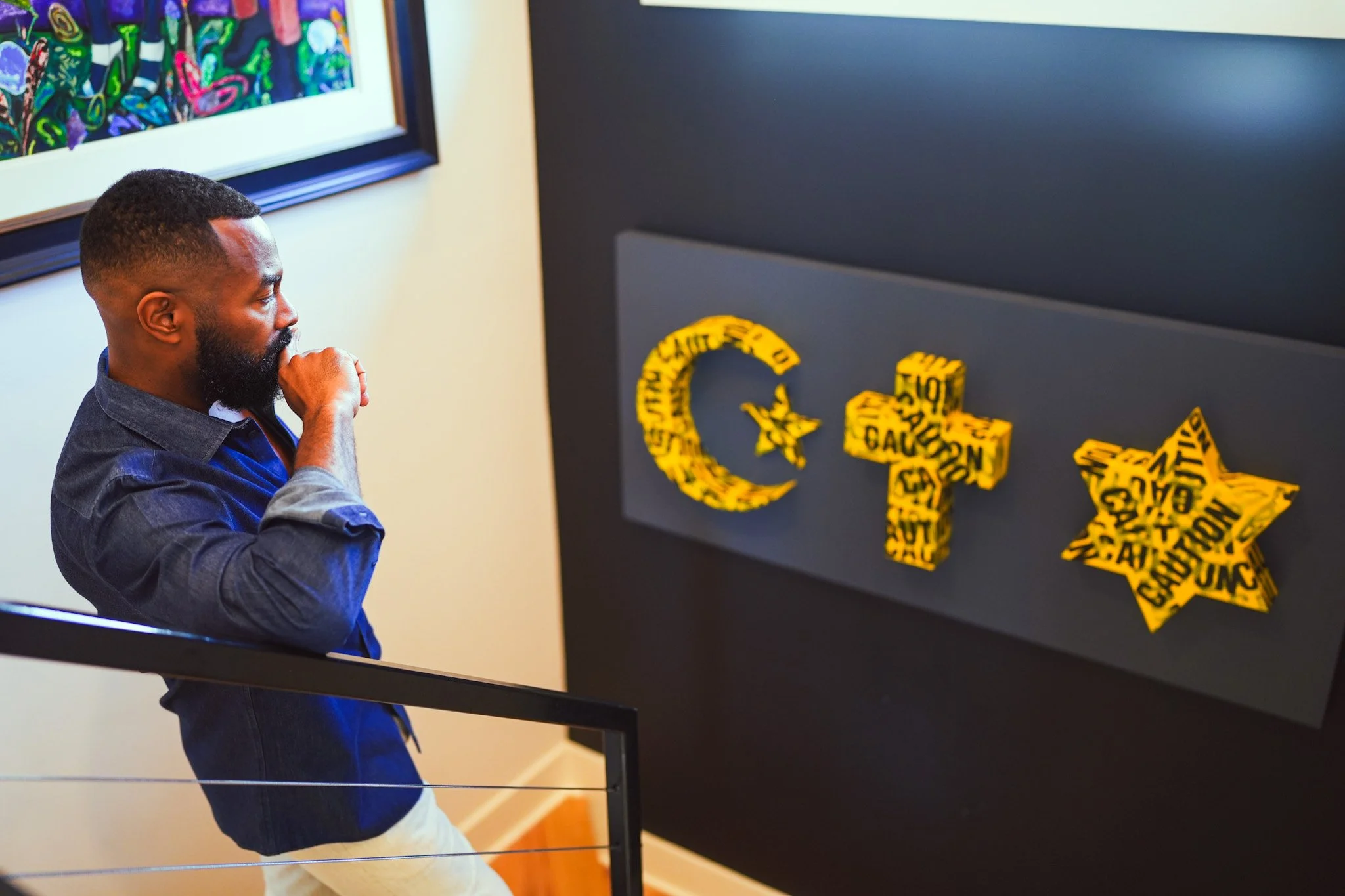
March 31, 2026
bold journey magazine interview
I was recently interviewed by Bold Magazine on the topic of finding one’s purpose and why it can be hard - but is critical to finding fulfillment.
Why Purpose Matters
Much of our modern understanding of well-being stems from the teachings of Viktor Frankl, who famously developed his psychological thesis while surviving the horrors of a concentration camp during WWII. Frankl found that happiness came largely as a result of finding one’s purpose. Contemporary research builds upon Frankl’s foundational work by pointing to two other human needs as prerequisites to fulfillment: belonging and growth. It is my belief that our purpose comes first, but it can also be the most difficult for us to find.
Finding your purpose is rarely an easy process—especially in the United States, where we are encouraged to pursue money, status, and success. We are bombarded with daily, hourly–—even minute-by-minute updates over social media of what the world values, which often leads to “crowdsourcing” one’s purpose versus looking within for authentic answers.
Read the here for some practical steps we can each take to find our purpose and the happiness that likely follows.
Best,
Craig
March 29, 2026
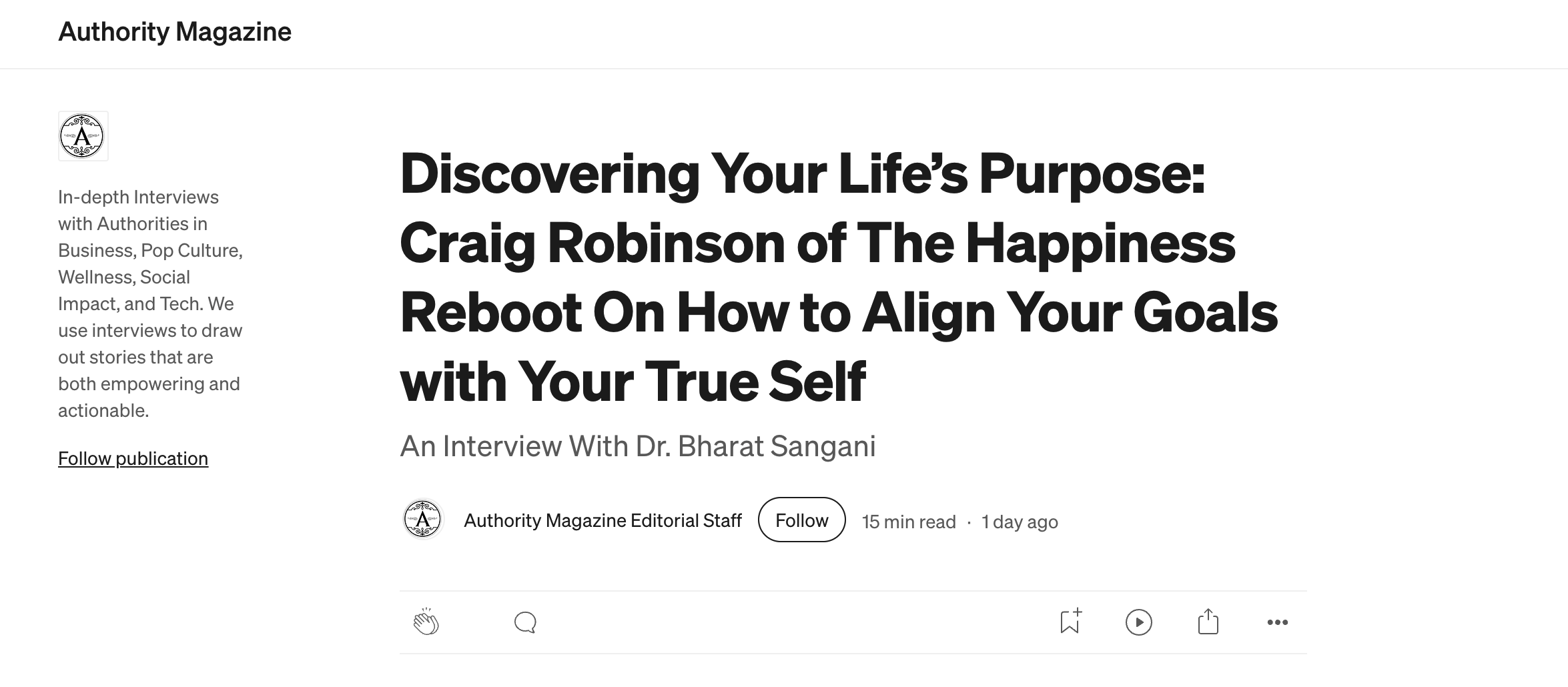
Discovering Your Life’s Purpose
I was recently interviewed by Dr. Bharat Sangani for Medium’s series on finding purpose. This topic is often one of the most challenging steps in the lifelong journey toward fulfillment; however, there are practical actions we can take to navigate this journey.
Reflecting on these themes, we are now just two days away from the official launch of The Happiness Reboot! Check out the article in the meantime, and stay tuned for the announcement Tuesday morning.
Best,
Craig

Abandoning a goal does not equate to failure; often, it is the exact prerequisite for growth.
Finding and living in alignment with your true purpose can be a transformative journey. Yet, many struggle with identifying their life’s purpose and aligning their goals with it. In this series, we aim to explore how individuals discover their purpose and create a life that reflects their authentic selves, leading to greater fulfillment and success.
As a part of this series, we had the pleasure of interviewing Craig Robinson.
Q: Thank you so much for your time! I know that you are a very busy person. Our readers would love to “get to know you” a bit better. Can you tell us a bit about your ‘backstory’ and how you got started?
A: Most people can recall a moment or a season when their purpose came into clarity. For me, it was the day I decided to join WeWork. Prior to that, I had enjoyed a successful career leading national and global real estate businesses as a division CEO. And while I appreciated my career trajectory, I would not say that what I did for a living was aligned with my life purpose. My inner “golden child” had always viewed success and achievement as the ultimate pathway to happiness. But I was slowly coming to realize that this mindset was not only limited, but inherently flawed when it came to unlocking true fulfillment.
At the time, WeWork’s mission was to create workspaces that encouraged community, promoted productivity, and engagement, and, by extension, happiness. This implicit brand promise resonated deeply and awakened a sense of purpose within me. I led a division that designed, built, and operated spaces all around the globe — from Japan and China to Europe, Latin America, and back home to the States. It was the first time in my career that my work was in service of my purpose, rather than the other way around.
Since that season, I have continued to refine my ikigai — the Japanese concept of finding purpose, meaning, and flow in life. Today, I do this by advising leaders, coaching professionals, and teaching university students. I sit on the boards of companies that share my values, volunteer for organizations making a positive impact, and recently published my book, The Happiness Reboot, to help others find their own truth.
March 23, 2026
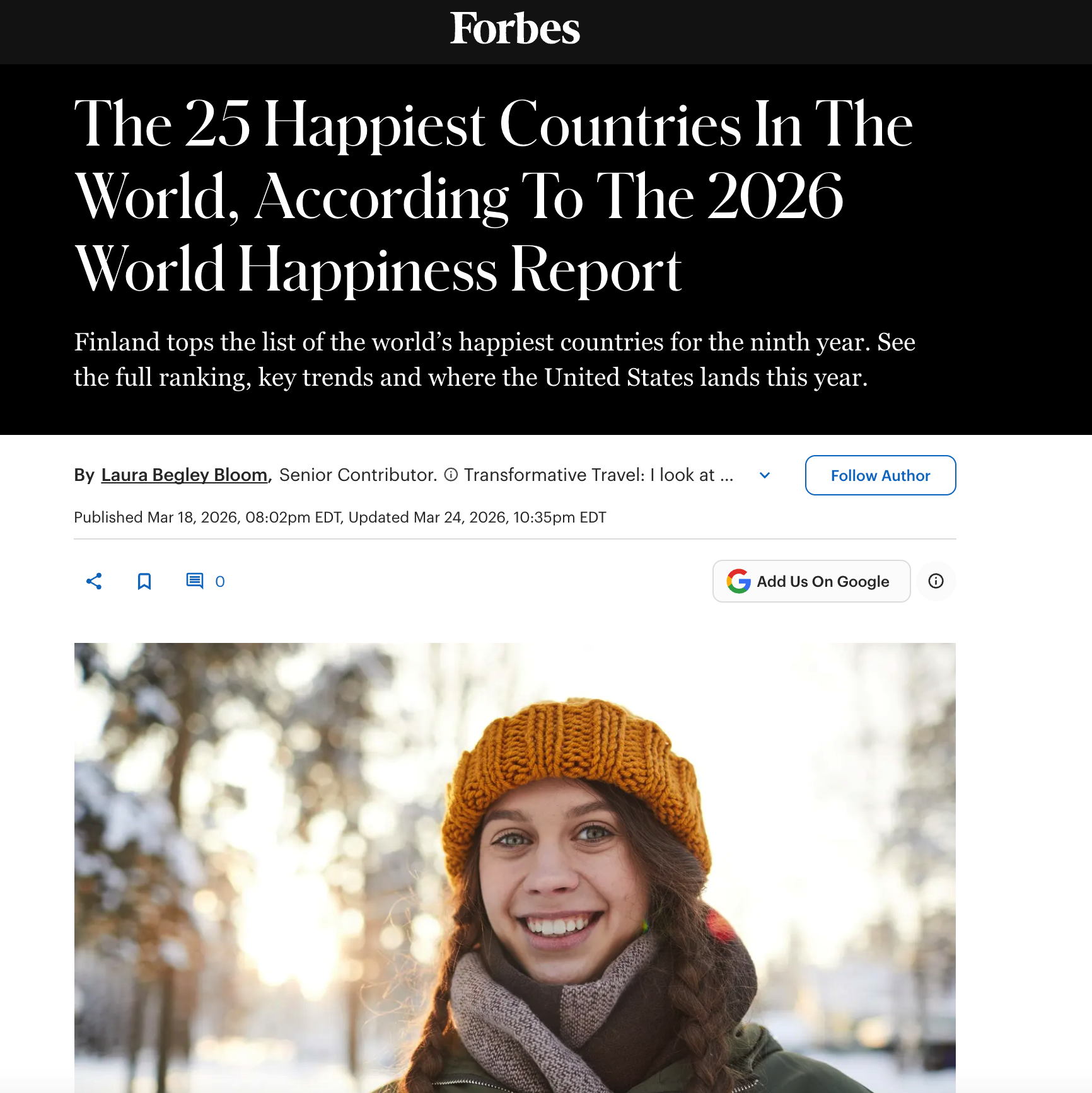
Forbes article on happiness
U.S. business leaders are talking about the new happiness stats and this Forbes article sums it up perfectly.
I was honored to contribute to the conversation and be quoted.
Read the full article below and let me know your thoughts!
-Craig
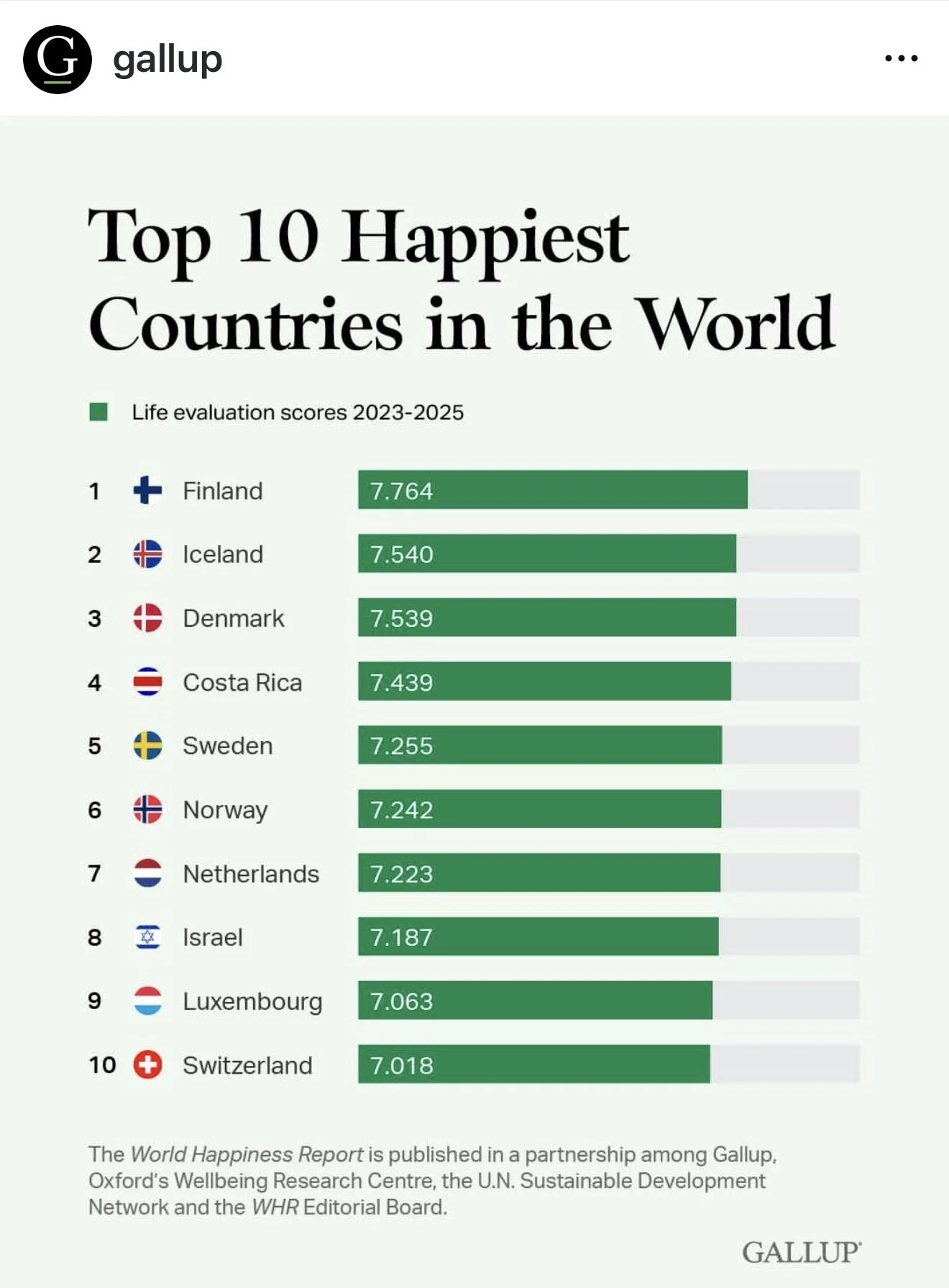
The Finns Do It Again
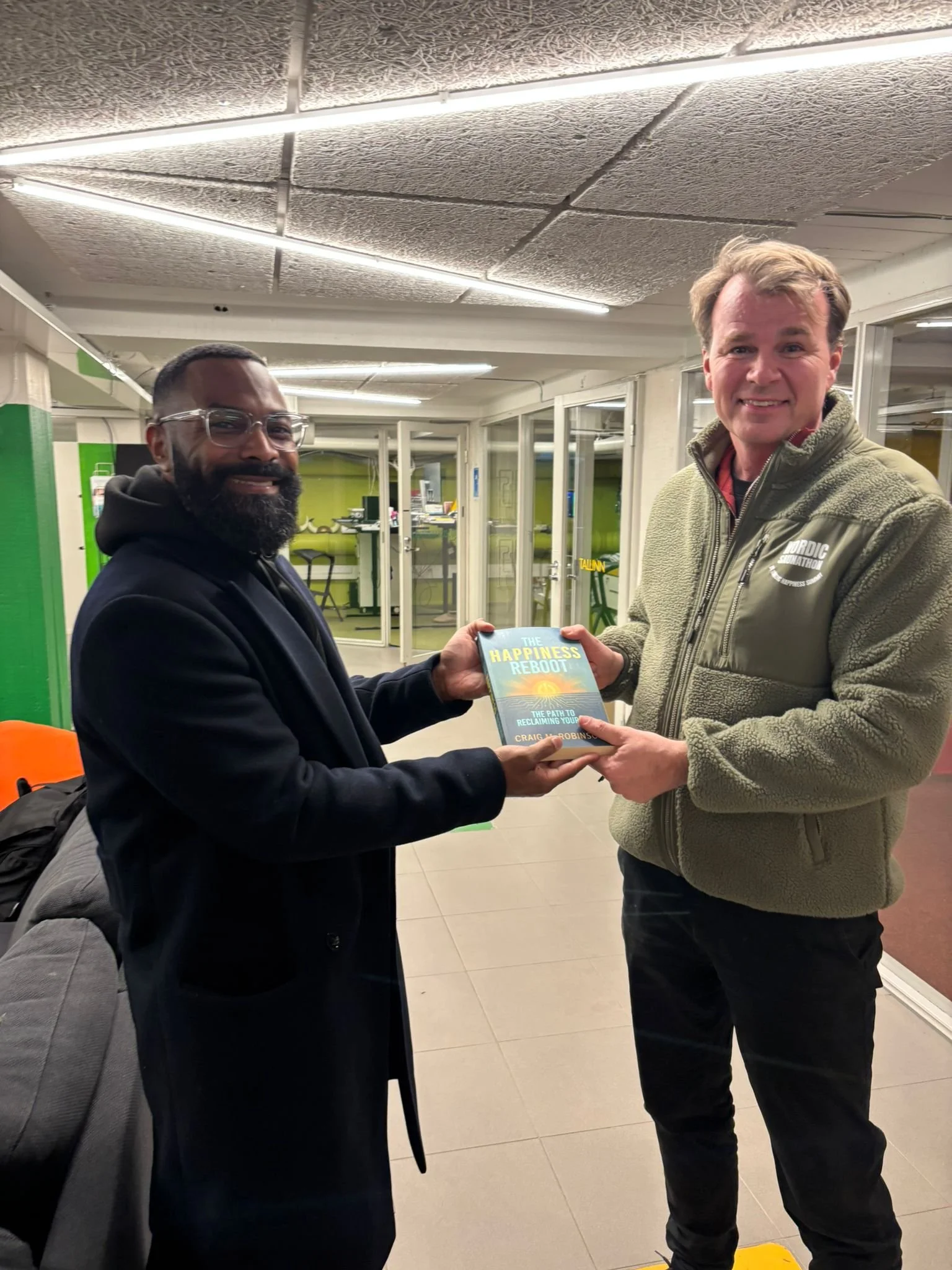
Presenting book to Dr. Markus Wartiovaara, Hanken Business Lab
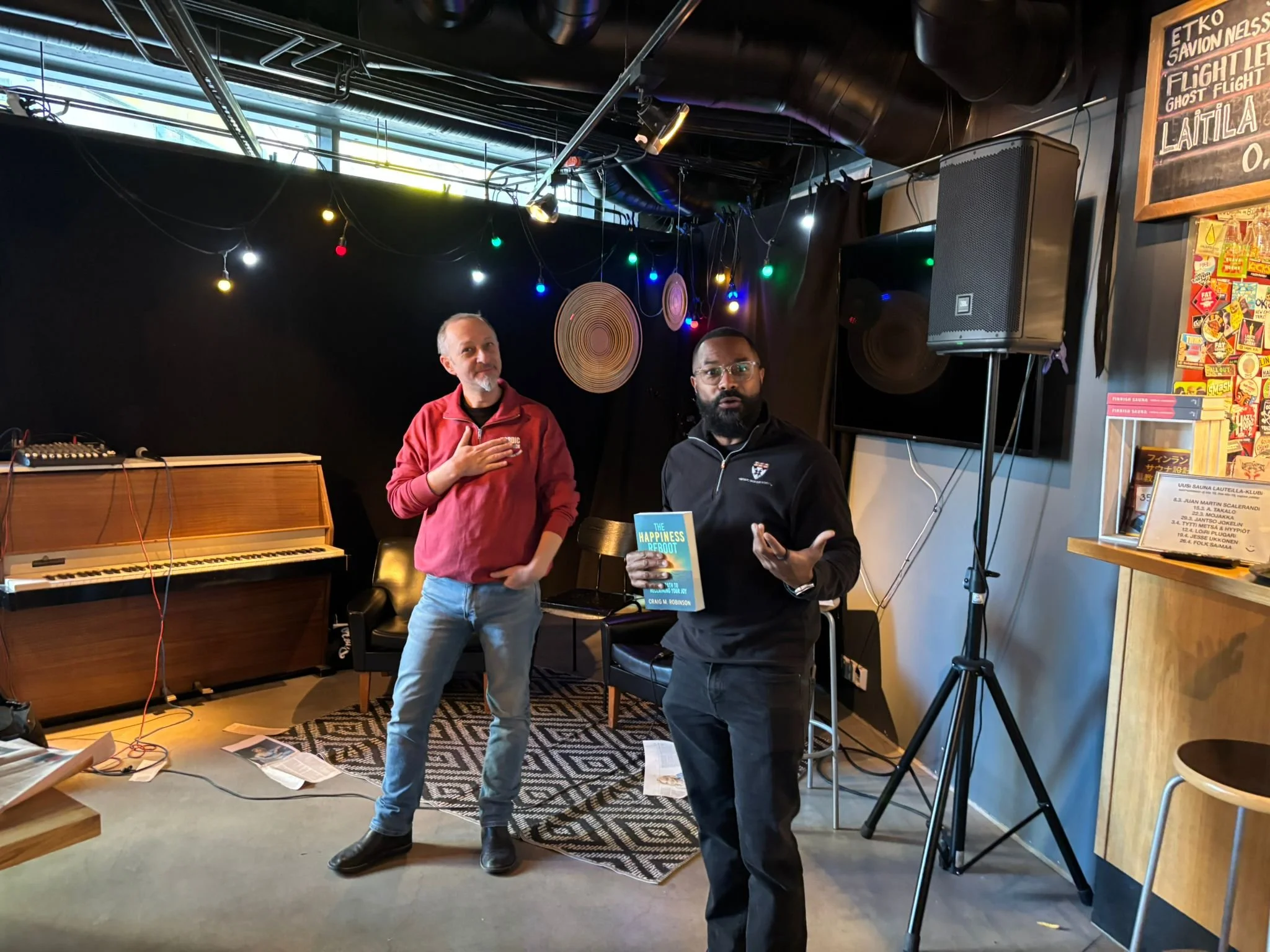
Discussing The Happiness Reboot
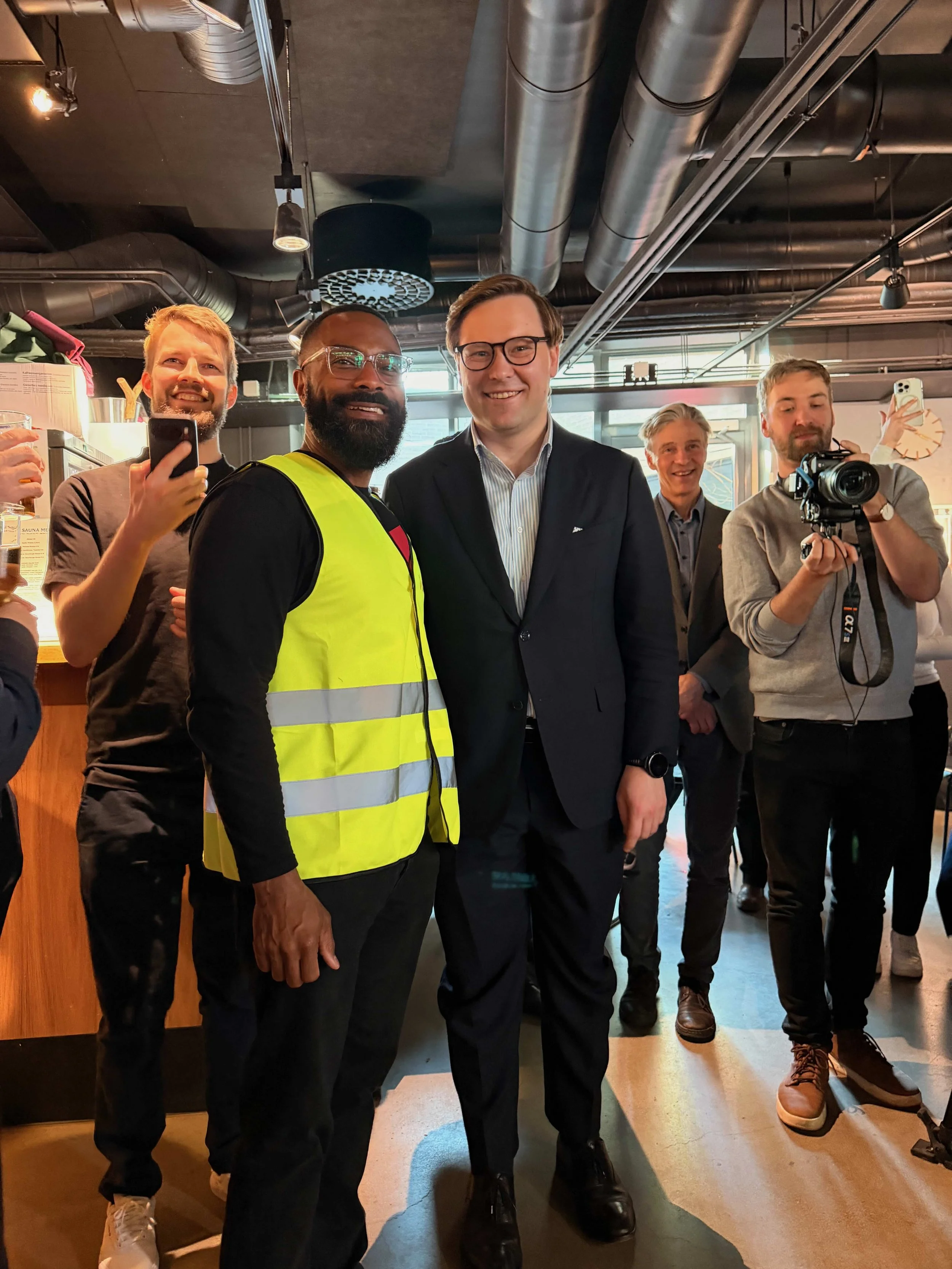
Mayor of Helsinki
March 22, 2026
Reflections from Helsinki: Bringing Finnish Happiness Home
I just left Helsinki after a week of celebrating, learning, and sharing with some of the leading researchers on happiness and well-being. In case you hadn’t heard, Finland was recently ranked the happiest country in the world for the ninth year in a row by the World Happiness Report (WHR).
While some factors are difficult to replicate—such as a virtuous cycle of extensive government-funded benefits, high trust in institutions, and a long history of stable democracy—I discovered other elements that are quite exportable.
According to research, our individual happiness is tied to three areas: our unique situation (10-15%), our biology (30-40%), and our mindset, which accounts for 50% or more. The Finns, who currently face the challenges of a stagnant economy, promote a resilient and modest mindset. This is based on sisu (stoic determination), a sense of belonging shaped by their history as a small nation, and an ability to enjoy simple pleasures like nature and the "grounding" of a sauna. The WHR also notes that Nordic countries tend to be more generous, fostering a culture of "sharing and caring."
I experienced all of this firsthand while exchanging perspectives with professors and students at the Hanken Business Lab (host of the Nordic Happiness Summit), connecting with industry thought leaders, and meeting the Mayor of Helsinki. I even shared moments with the locals in community saunas and braved a few Baltic Sea polar plunges. With ice literally floating on the surface, I can tell you it took some real courage.
In my book, The Happiness Reboot (releasing this week), I explore these controllable factors in great detail. I even had the chance to preview my research with Dr. Markus Wartiovaara, Director of the Hanken Business Lab.
The Trip Home
While in Helsinki, I reflected on the implications for U.S. cities, particularly my hometown of Atlanta. The U.S. may not have the political appetite for the higher taxes required to sustain a Nordic-style social safety net. However, one academic I met offered a practical interpretation: the Finnish model is as much about ensuring fewer people are miserable as it is about promoting joy. In contrast, our version of capitalism seems more comfortable tolerating misery at the bottom to inspire a "spartan race" to the top—even if that race is exactly what's driving our unhappiness.
Still, I believe cities like Atlanta can promote their own version of a happier society. I published an opinion piece in the Atlanta Journal-Constitution this past week discussing our unique local assets and how we might better leverage them (see below). I was also glad to share these thoughts with New York Times columnist Peter Coy for his recent piece on the topic.
I look forward to hearing your thoughts on what we can learn from the Finns.
Best,
Craig
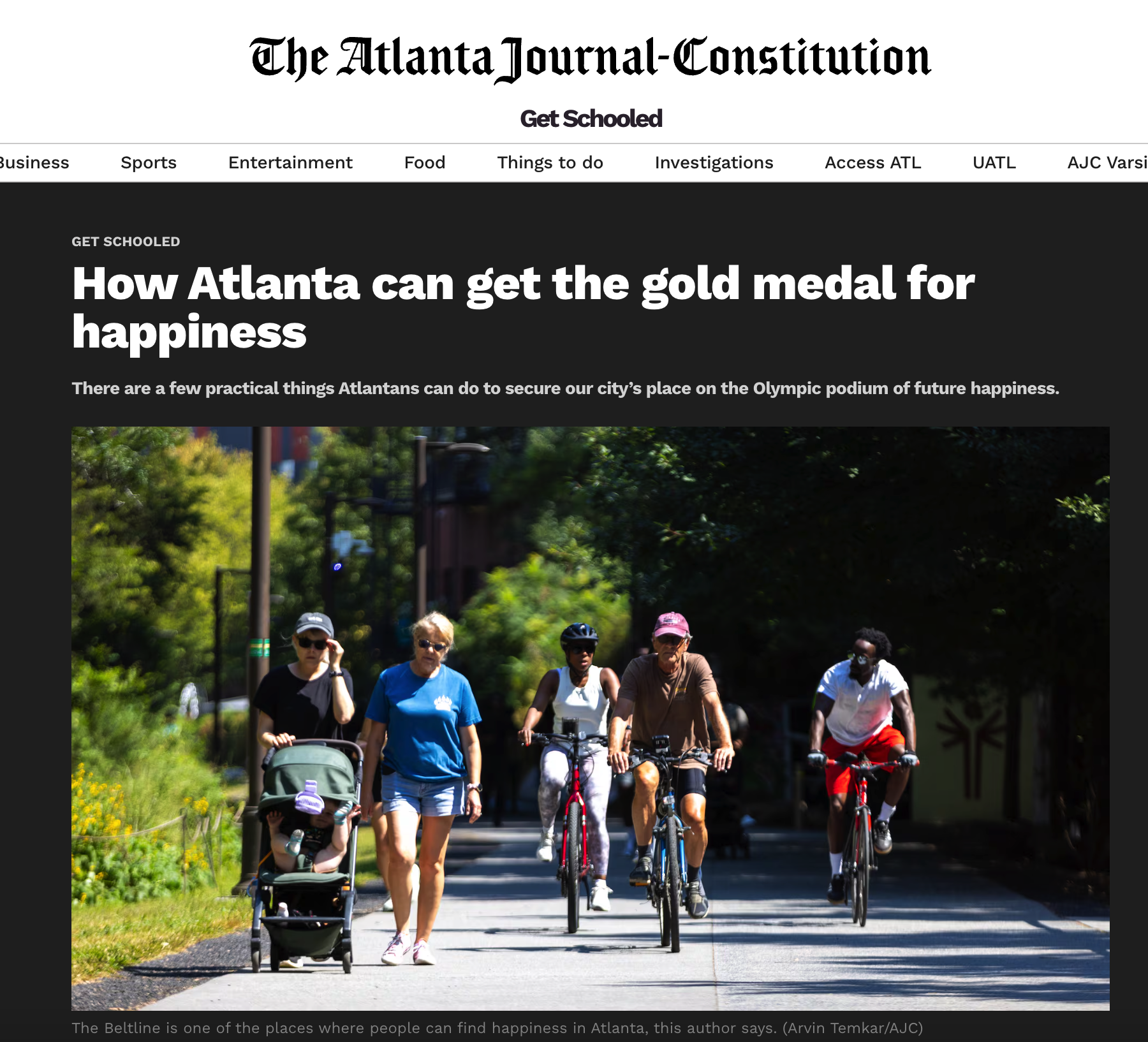
How Atlanta can get the gold medal for happiness
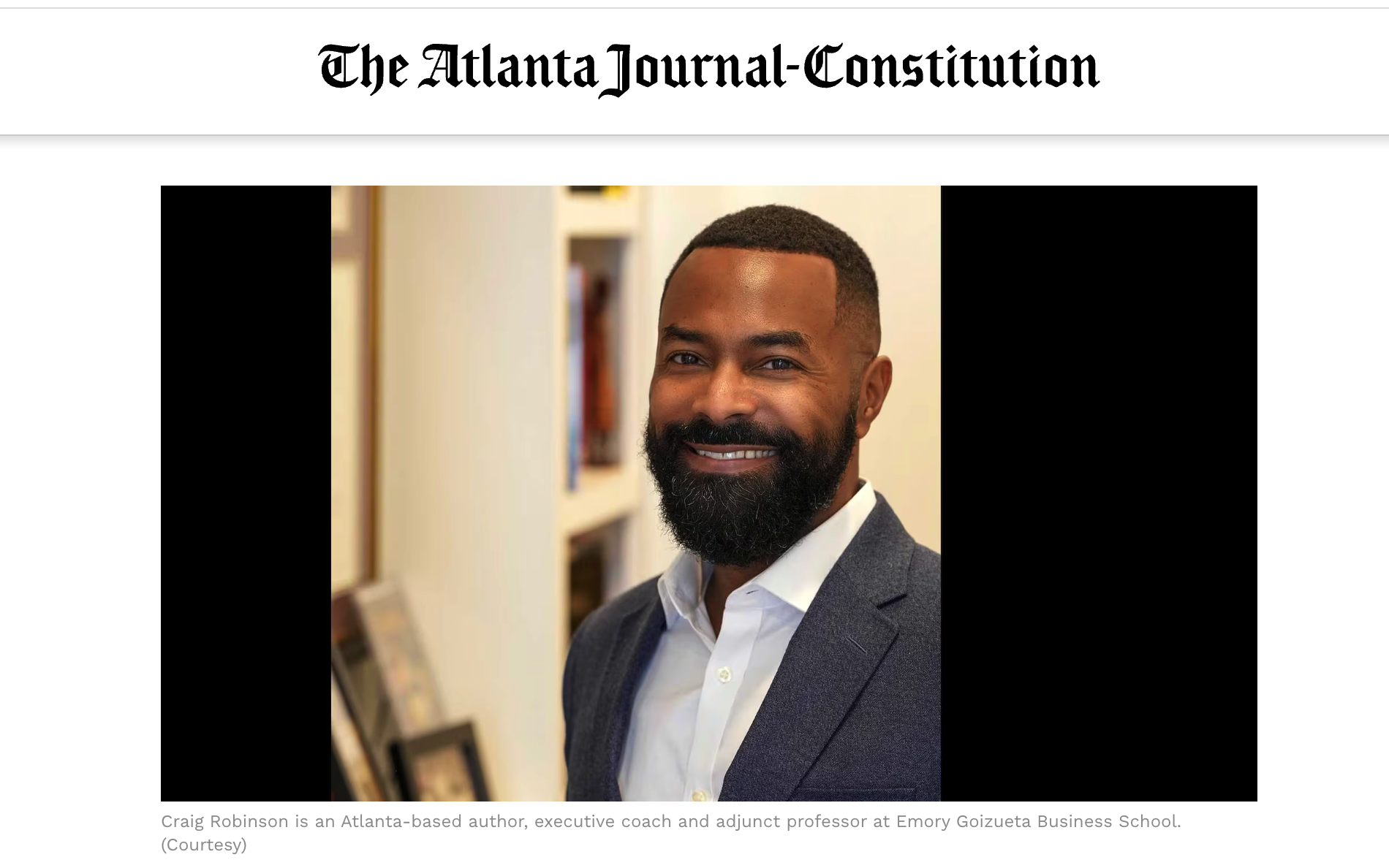
By Craig Robinson, Author of The Happiness Reboot
Last year, the World Happiness Report released its annual ranking of the world’s happiest countries. While America has recently been bringing home plenty of gold medals from the Winter Olympic Games (12 as of this writing), we’ve been falling short in the games that might actually matter most.
While Olympians have been competing since 776 BC, we only recently started measuring global happiness in 2012. Since then, America has yet to reach the podium. In fact, the U.S. has never ranked in the top 10, and as of last year, we fell out of the top 20 to number 24. Ouch.
We will learn this week—on March 19, when the 2026 World Happiness Report is released—exactly where the U.S. and nearly 140 other countries stand. However, an early peek at the numbers suggests Finland will reign supreme for the ninth year in a row.
That is a sobering reality, but I have reason to believe we might be painting the entire country with too broad a brush. After a career as a commercial real estate executive—most recently spending 12 years in New York City running global businesses—I returned home to Atlanta. I came back in search of a better quality of life, proximity to family, and, ultimately, a path to being happier.
For those less familiar with the study, the findings are based on a Gallup World Poll using the "Cantril Ladder" survey method. It asks over 100,000 respondents to self-assess their lives on a scale from the "best possible" to "worst possible." Gallup then uses economic data, like GDP per capita, to help understand the correlations. Key insights from past reports suggest that "sharing and caring," the perception of benevolence (like the likelihood of a stolen wallet being returned), and the frequency of social connection versus loneliness are the true drivers of national happiness.
While America lags behind the Nordic countries and even neighbors like Mexico and Canada, it’s not hard to imagine why. We have so much, yet we seem to value so little. Our society prioritizes achievement, money, and status. We spend far less time encouraging connection, finding authentic purpose, or sharing. Social media and a fractured political environment have only exacerbated a feeling of tribalism over the "caring and sharing" values highlighted in the report.
While previously running a global division for WeWork, I led teams that designed and operated spaces intended to encourage productivity, engagement, and—dare I say it—happiness. I saw firsthand that my desire for fulfillment wasn't unique. My teams delivered millions of square feet for organizations across China, Japan, Europe, and the Americas. Since then, I have been obsessed with the study of well-being, eventually publishing my research in my book, The Happiness Reboot, releasing March 31.
I am already realizing that Atlanta was more than just a personal choice; it offers compelling insights the rest of the nation could learn from.
Researchers of "fulfillment"—a higher-order happiness akin to Maslow’s self-actualization—point to purpose, belonging, and growth as the prerequisites for true well-being. This version of happiness, fashioned after Viktor Frankl’s foundational research, is harder to measure than GDP. But those of us who call Atlanta home instinctively know that the city’s cultural legacy promotes these values in subtle, vital ways.
Let’s start with purpose. Atlanta, "the city too busy to hate," once aspired to move past a violent racist past in favor of a collective new purpose: growth. When other parts of the South resisted social progress, the birthplace of the Civil Rights Movement became a place where change happened faster. This "flywheel effect" brought talent and business to the city, from Sweet Auburn to Buckhead. Today, our vibrant industry clusters—transportation, technology, and talent (entertainment)—continue to draw people globally. According to the Atlanta Regional Commission (ARC), Metro Atlanta is projected to reach 7.9 million people by 2050. People are coming here because there is an opportunity for inclusive growth - and purpose.
Lest someone discount the role of job growth in happiness, consider this: researchers have found you have a less than 1% chance of being fulfilled in life if you aren’t also fulfilled in your work. Atlanta will soon offer 4.6 million opportunities for people to find their professional purpose.
Next is belonging and connection. Atlanta is home to 57 colleges and universities, nearly 8,800 faith-based organizations, and thousands of authentic spaces for connection. I live in the Old Fourth Ward (O4W). I went to elementary school there, lived in the Fulton Cotton Mill Lofts after college, and served on the board of the Historic District Development Corporation. I’ve been in this neighborhood, where MLK Jr. lived, since I was a kid. It is my "belonging."
But I’m not unique in that pride. I love seeing Inman Park flags draped from residents' porch steps; I attend the neighborhood festivals we celebrate religiously from Grant Park and Ansley to Midtown and the "SWATS" (Southwest Atlanta), where I attended high school. In recent decades, the city has made significant investments to connect these disparate communities through the Beltline. Having served on the real estate development team for Atlantic Station, I’ve seen how the intentional repurposing of spaces—like Ponce City Market, Lee + White, and the New City North Angier project—creates genuine opportunities to live, work, and play together.
The final ingredient is growth. Being stretched and challenged is how we refine our purpose. Atlanta is not without its flaws. WalletHub recently ranked Atlanta 76th out of 182 cities for happiness, due largely to scores in affordability, wealth disparity, and traffic. These are the byproducts of rampant growth.
However, Atlanta has a history of leaning into its challenges. We led the nation in civil rights when it was difficult and unpopular. We must, and will, lead again on issues of infrastructure and safety. Viktor Frankl’s research proves that hardship is often a necessary component of the happiness calculus. Our challenges are merely opportunities to refine our resolve.
To secure our city's place on the Olympic podium of future happiness, I offer two practical suggestions for all Atlantans. First, take advantage of our incredible public spaces like the BeltLine or the Jazz Festival to step out of your comfort zone and make a new connection. Chances are, you’ll see me out there! Second, let’s encourage our youth to look beyond academic success and boldly discover their life’s purpose. Atlanta is a city for dreamers, and nurturing that courage in our kids is how we secure our future.
So, while Helsinki may be the happiest city in the world and Fremont may lead the U.S., the rest of the world can learn a lot from the "A." I, for one, am happier and proud to call Atlanta home.
In the words of our native son and creative genius, André 3000: "The South has something to say."

My Inner “Golden Child” and Future (Un)Happiness
Feb 23, 2026
The Golden Child Syndrome
I recently dug up some old VHS footage of myself as a teenager, and it hit me hard. Watching my 13-year-old self talk about my future and the intense pressure I felt to succeed was like looking at a time capsule of my inner “golden child."
That video inspired today’s post (here), where I’m diving into the "golden child” syndrome and how that childhood pressure often follows us into adulthood as a source of unhappiness.
[Watch a snippet of the video here]
This is one of the core themes I explore in the book, and I’d love to know if this resonates with you. Do you recognize that "golden child" in your own past?
-Craig


Oct 27, 2025
Having Curiosity Over Conviction
Growth starts with having more curiosity than conviction!
Check out my candid and wide ranging conversation with Pay Your Dues host, Greg Inglin, on what the research says about happiness, living a purpose-centered life and finding your “flow”!
🎙️ Listen to full episode here: https://lnkd.in/gccdMAgG
-Craig

Oct 27, 2025
Happiness trap #1: Believing in the “IRR of happiness”
I coined this term some time ago. In finance, we can make almost any investment make sense as long as we believe a mythical story about the future value at the end of our hold period. Whether it’s your exit cap rate, exit multiple or some other “Big Bang” event, we have to be careful when so much of the return is based on some far out, speculative or hyped up event. Especially if you are enduring a lot of negative cash flow in the interim.
The same is true for our happiness! I discuss this concept on the Pay Your Dues podcast and in my book, The Happiness Reboot!
-Craig

Oct 16, 2025
Beyond the resume and the professional façade, there's a story waiting to be told. I had the privilege of sitting down with VoyageATL to peel back the layers and share the authentic journey that shaped my path and my upcoming book, The Happiness Reboot - The Path To Reclaiming Your Joy.
It's my hope that these insights resonate, offering a spark of connection and inspiration for anyone navigating their own unique story and path to happiness.
Read the piece here: https://voyageatl.com/interview/check-out-craig-robinsons-story
-Craig

Oct 5, 2025
Thanks again for signing up to receive updates on my book (scheduled for release early next year) and other published writings. This week, I published an opinion piece in The Fulcrum on the concerning state of our country. While I often write about topics concerning happiness and fulfillment, authentic leadership, and even innovation. I also feel compelled to write about society, values, principled leadership and the public good. This week I chose to write about the latter.
As democracy erodes around us, Americans today are like boiling frogs. We may be sitting in a pot of our own making — and the water’s getting dangerously hot. However, we can still jump, and the time to do so is now. I hope this OpEd inspires you to defend institutions, to refuse to obey in advance, to believe in truth, and to stop treating each new degree of heat as normal.
Read the piece here: https://thefulcrum.us/americas-boiling-frog-democracy
-Craig

July 28, 2025
This week, I'm sharing an opinion piece I wrote for Fast Company. While I've written and contributed to a number of articles on the role of business and society, principled leadership, and our democracy (like this CNN article), this week's op-ed addresses another topic I'm passionate about (and the focus of my book): happiness.
Many of us are, at best, perplexed, but more often stressed and depressed, about the state of our U.S. democracy. In this article, my co-author, friend and colleague, Daniella Ballou-Aares, (founder and CEO of The Leadership Now Project ), and I offer practical insights and thoughts on finding peace in the storm.
We unpack this and many other aspects of how we can preserve and promote not only our democracy but also our joy, peace, and happiness.
-Craig


July 29, 2021
This week, I delve into the role of business in society, particularly concerning its advocacy for a strong and fair democracy. While businesses have historically lobbied for their own interests (e.g., favorable regulations, lower taxes), they are now being asked to consider not only the value they create for shareholders but also for their stakeholders—employees, customers, and the communities they call home.
In an opinion piece I co-wrote with my colleague, Eddie Shaw, for CNN, I argue that principled business leaders can take specific actions to help protect voting rights currently under threat across the country and in my home state of Georgia.Read the full article here:
https://www.cnn.com/2021/07/29/perspectives/voting-rights-business-leaders
-Craig

Curiosity Over Conviction
I am passionate about all things oceans and scuba diving. It has been said that we know more about the surface of the moon than we do the bottom of our ocean.